SARFAESI Act 2002: How Secured Creditors Enforce Security (CAIIB)
The SARFAESI Act 2002 is one of the most important pieces of banking legislation in India and a high-scoring topic in the CAIIB Banking Regulations and Business Laws (BRBL) paper. It empowers banks and financial institutions to recover non-performing assets by enforcing security interest without the intervention of a court. For any banker handling recovery, understanding how secured creditors enforce security interest under the SARFAESI Act 2002 is essential knowledge.
Formally the Securitisation and Reconstruction of Financial Assets and Enforcement of Security Interest Act. The SARFAESI Act 2002 transformed recovery by giving lenders a fast, self-help remedy. This article walks through the enforcement mechanism, the statutory notices, the borrower's rights and the role of asset reconstruction companies.
Purpose and Scope of the Act
Before 2002, banks chasing defaulters had to file civil suits that dragged on for years, locking up capital in bad loans. The SARFAESI Act 2002 changed this by allowing secured creditors to take possession of and sell secured assets directly once a loan turns into a non-performing asset (NPA). The Act has three pillars: securitisation of financial assets, asset reconstruction, and enforcement of security interest without court intervention.
The Act applies to secured loans where security has been created over immovable or movable property. Importantly, it does not cover unsecured loans, agricultural land, loans below the threshold (currently ₹1 lakh), or cases where the outstanding is less than 20% of principal and interest. The Reserve Bank of India regulates the asset reconstruction companies and registration framework under the Act. For CAIIB candidates, the enforcement provisions are frequently examined, and you can revise the full legal framework through the CAIIB course at iibf.store. The Act works alongside the Recovery of Debts and Bankruptcy Act 1993 and the Insolvency and Bankruptcy Code 2016 as part of India's recovery architecture.
The Section 13(2) Demand Notice
Enforcement begins only after the account is classified as an NPA in line with RBI norms. The secured creditor then issues a notice under Section 13(2) of the SARFAESI Act 2002, demanding the borrower repay the full outstanding within 60 days. The notice must specify the amount due, describe the secured assets intended to be enforced, and warn of the consequences of non-payment.
The borrower has the right to make a representation or objection to the 13(2) notice. The secured creditor must consider it and, if not accepted, communicate the reasons within 15 days. This safeguard, reinforced by Supreme Court rulings such as Mardia Chemicals, ensures the borrower is heard before drastic action. If the borrower neither pays nor satisfies the bank within 60 days, the lender may proceed to enforcement under Section 13(4). Understanding this notice stage is critical because procedural lapses here are the most common ground on which borrowers successfully challenge SARFAESI action.

Enforcement Measures Under Section 13(4)
If the demand is not met, Section 13(4) of the SARFAESI Act 2002 arms the secured creditor with powerful measures to enforce security interest. The lender may: take possession of the secured asset (symbolic or physical); take over the management of the borrower's business; appoint a manager to administer the secured asset; or require any person who owes money to the borrower to pay the secured creditor directly.
For taking physical possession of immovable property. The secured creditor often seeks the assistance of the District Magistrate or Chief Metropolitan Magistrate under Section 14, who must act within a set timeline. Once possession is taken.
The asset can be sold by public auction, tender, or private treaty following the prescribed Security Interest (Enforcement) Rules — including a 30-day sale notice and reserve price. The sale proceeds are applied to the secured debt, and any surplus is returned to the borrower. These measures give secured creditors a genuinely effective recovery route.
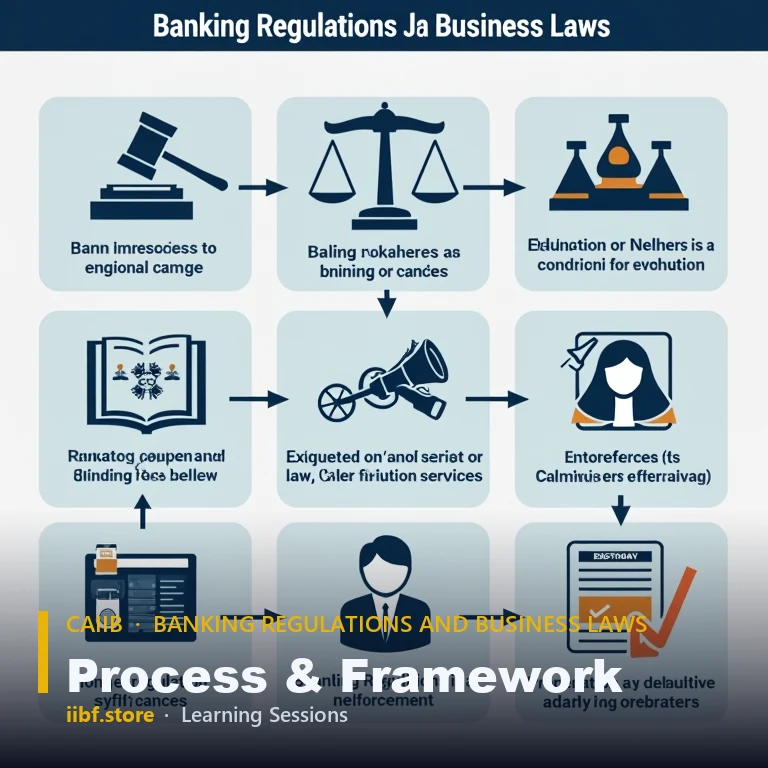
Borrower Rights and the DRT Appeal
The SARFAESI Act 2002 is not one-sided. A borrower aggrieved by enforcement action can file an application under Section 17 before the Debt Recovery Tribunal (DRT) within 45 days of the measure. A further appeal lies to the Debt Recovery Appellate Tribunal (DRAT) under Section 18. Though this generally requires a deposit of 50% (reducible to 25%) of the debt claimed.
The Act bars the jurisdiction of ordinary civil courts in matters it covers (Section 34), channelling disputes to the DRT/DRAT for speed. The RBI's master directions and the official text available via the Reserve Bank of India set out the operating framework lenders must follow. This balance — strong recovery powers for banks, a quick tribunal remedy for borrowers — is exactly the kind of point CAIIB examiners test, so practise it on the iibf.store mock tests.

Asset Reconstruction Companies
The third pillar of the SARFAESI Act 2002 is the framework for Asset Reconstruction Companies (ARCs). ARCs are RBI-registered entities that buy NPAs from banks, typically against security receipts, and then work to recover or restructure them. By transferring bad loans to specialised ARCs, banks clean their balance sheets and free up capital for fresh lending, while the ARC pursues resolution.
This securitisation-and-reconstruction mechanism, combined with the enforcement powers discussed above, makes the Act a complete recovery toolkit. To deepen your grasp and revise alongside related laws like the IBC, explore the structured notes and articles on the iibf.store blog.
ARCs are required to be registered with the RBI and to maintain a minimum net owned fund. And they recover dues by acquiring loans, restructuring repayment terms, taking over management, or selling the underlying secured assets — often using the very same Section 13 powers that banks possess. Security receipts issued to the selling bank are redeemed as recoveries flow in. Aligning the ARC's incentives with actual resolution rather than mere transfer of the problem.
For a complete picture, bankers must see the SARFAESI Act 2002 as one instrument among several. Where the security is inadequate or the borrower is unsecured. Lenders fall back on the Debt Recovery Tribunal route under the RDB Act 1993, or initiate corporate insolvency under the Insolvency and Bankruptcy Code 2016.
Each forum has its own threshold. Timeline and outcome, and a skilled recovery officer chooses the right tool — or combination of tools — for the facts of the account. Procedural rigour is non-negotiable: courts have repeatedly set aside SARFAESI actions for defective notices.
Improper service or failure to consider the borrower's representation, so banks document every step meticulously.
What is the time limit in a Section 13(2) notice?
A Section 13(2) demand notice gives the borrower 60 days to repay the entire outstanding amount. If the bank rejects the borrower's representation, it must communicate the reasons within 15 days. Only after the 60-day period can it proceed under Section 13(4).
Does the SARFAESI Act apply to agricultural land?
No. The SARFAESI Act 2002 expressly excludes agricultural land from its enforcement provisions. It also excludes unsecured loans and very small loans below the prescribed threshold, focusing instead on secured loans backed by enforceable security interest.
Can a borrower challenge SARFAESI action?
Yes. A borrower can file an application under Section 17 before the Debt Recovery Tribunal within 45 days of an enforcement measure. With a further appeal to the DRAT under Section 18. Civil courts are barred from these matters under Section 34.
What role do ARCs play under the Act?
Asset Reconstruction Companies are RBI-registered entities that purchase non-performing assets from banks, usually against security receipts, and then recover or restructure them. They let banks clean their balance sheets while specialists handle resolution.
Conclusion
The SARFAESI Act 2002 gives secured creditors a powerful, court-free route to enforce security interest while preserving borrower safeguards through the DRT and DRAT. For CAIIB BRBL, master the 13(2) notice, the 13(4) measures, the Section 17 appeal and the ARC framework. Put your knowledge to the test with the CAIIB practice tests on iibf.store and enrol in the complete CAIIB course to ace the legal-recovery questions on exam day.
Quick quiz on this topic
5 exam-style questions from our free test bank — check yourself before you move on.
Practice this topic
Take a free mock test, download chapter PDFs, or watch a video class — all included on iibf.store.
Keep reading