गारंटर की Legal Position: Surety की Liability और Discharge (CAIIB BRBL)
हर बैंकर जो कोई secured loan मंजूर करता है, वह एक कानूनी सिद्धांत पर सबसे ज्यादा भरोसा करता है। यह सिद्धांत है Indian Contract Act, 1872 के तहत guarantor की legal position। Sections 126 से 147 तक बताया गया है कि surety कब liable बनता है, यह liability कैसे खत्म होती है, और भुगतान करने के बाद surety को कौन से rights मिलते हैं। CAIIB BRBL के लिए यह chapter हर attempt में पूछा जाता है। sections सही याद रखें तो बिना ज्यादा मेहनत के तीन-चार अंक पक्के हो जाते हैं।
यह guide guarantee की definition, continuing guarantee और उसकी revocation, co-extensive liability, वे आधार जिन पर surety discharge होता है, और surety के right of subrogation को कवर करती है। हम यह भी देखेंगे कि बैंक रोजमर्रा की lending में guarantee documents को व्यवहार में कैसे draft और enforce करते हैं।
📜 Section 126 गारंटर के बारे में क्या कहता है
Contract Act का Section 126 contract of guarantee को एक ऐसा promise बताता है जिसमें किसी third person के default करने पर उसकी liability को perform या discharge करने का वादा किया जाता है। इस contract में तीन parties होती हैं। principal debtor वह है जो loan लेता है। creditor, आमतौर पर बैंक, पैसा देता है। surety, यानी guarantor, वादा करता है कि principal debtor के fail होने पर वह भुगतान करेगा।
guarantee oral या written हो सकती है, हालांकि बैंक evidentiary safety के लिए हमेशा written guarantee deed पर ही जोर देते हैं। Section 127 एक महत्वपूर्ण बात जोड़ता है। principal debtor को मिला consideration ही surety के promise के लिए पर्याप्त consideration माना जाता है। surety को खुद कोई direct benefit मिलना जरूरी नहीं है।
💡 Exam Tip: Guarantee में तीन parties और एक collateral promise होता है। Indemnity में सिर्फ दो parties और एक primary promise होता है। परीक्षा हॉल में इन दोनों contracts को मिलाएं नहीं।
बैंक guarantees को specific, यानी एक अकेले transaction के लिए, या continuing, यानी cash credit account जैसे series of transactions के लिए classify करते हैं। यह classification तय करती है कि guarantee को कैसे और कब revoke किया जा सकता है, जिसे अगला section विस्तार से कवर करता है। CAIIB में टेस्ट होने वाली व्यापक regulatory तस्वीर देखने के लिए legal framework of regulation of banks पढ़ें कि guarantee law इसमें कहां फिट बैठता है।
🔗 Continuing Guarantee और उसकी Revocation
Section 129, continuing guarantee को एक ऐसी guarantee बताता है जो single deal नहीं बल्कि series of transactions तक फैली हो। Cash credit और overdraft guarantees लगभग हमेशा continuing guarantees होती हैं। surety की liability account balance के हिसाब से sanctioned limit तक बढ़ती-घटती रहती है।
Section 130 surety को creditor को notice देकर future transactions के लिए continuing guarantee revoke करने की अनुमति देता है। पहले से cover हो चुके past transactions बाध्यकारी बने रहते हैं। valid notice मिलने के बाद बैंक उस guarantee के तहत आगे lend नहीं कर सकता, लेकिन existing outstanding की recovery बिना किसी असर के जारी रहती है।
Section 131 surety की मृत्यु से होने वाली revocation को कवर करता है। किसी contrary contract की अनुपस्थिति में, मृत्यु की तारीख से future transactions के लिए guarantee revoke मानी जाती है, हालांकि पहले से accrue हो चुके dues के लिए estate liable रहता है। बैंक इसे ध्यान से track करते हैं, क्योंकि death notice के बाद बिना fresh consent के आगे lending करने से guarantee cover पूरी तरह हट जाता है।
⚠️ Common Mistake: छात्र मान लेते हैं कि guarantor की मृत्यु से पूरी liability खत्म हो जाती है। यह सिर्फ मृत्यु के बाद के transactions के लिए liability रोकती है; past dues estate से अब भी वसूले जा सकते हैं।
Bank credit officers को revocation का notice diarise करना और तुरंत आगे disbursal रोकना अनिवार्य है। यह procedural discipline इससे सीधे जुड़ती है कि RBI बैंकों से credit monitoring और internal controls के मामले में regulation of banking business कैसे चलाने की उम्मीद करता है।
⚖️ Section 128 के तहत Co-Extensive Liability
Section 128 इस chapter में सबसे ज्यादा quote होने वाला section है। यह कहता है कि surety की liability principal debtor के बराबर co-extensive होती है, जब तक contract में अलग से न कहा गया हो। इसका मतलब है कि बैंक पहले borrower के खिलाफ remedies खत्म किए बिना ही guarantor पर पूरी बकाया राशि के लिए मुकदमा कर सकता है।
Co-extensive का मतलब हर पहलू में identical होना नहीं है। contract of guarantee, surety की liability को principal debt से कम राशि तक सीमित कर सकता है। principal debtor के खिलाफ awarded interest और costs आमतौर पर surety को भी बाध्य करते हैं, क्योंकि वे उसी co-extensive obligation का हिस्सा होते हैं।
इसीलिए guarantee deeds को limit clauses, tenure, और cover होने वाली specific facilities के आसपास सावधानी से draft किया जाता है। एक खराब तरीके से लिखी deed गलती से liability को बैंक के इरादे से बहुत कम या ज्यादा कर सकती है।
Section 128 के तहत co-extensive liability creditor को principal debtor पर मुकदमा करने से पहले ही सीधे surety पर मुकदमा करने देती है, जब तक guarantee deed में अलग से न कहा गया हो।
🛡️ Discharge, Subrogation और बैंक Guarantees कैसे Draft करते हैं
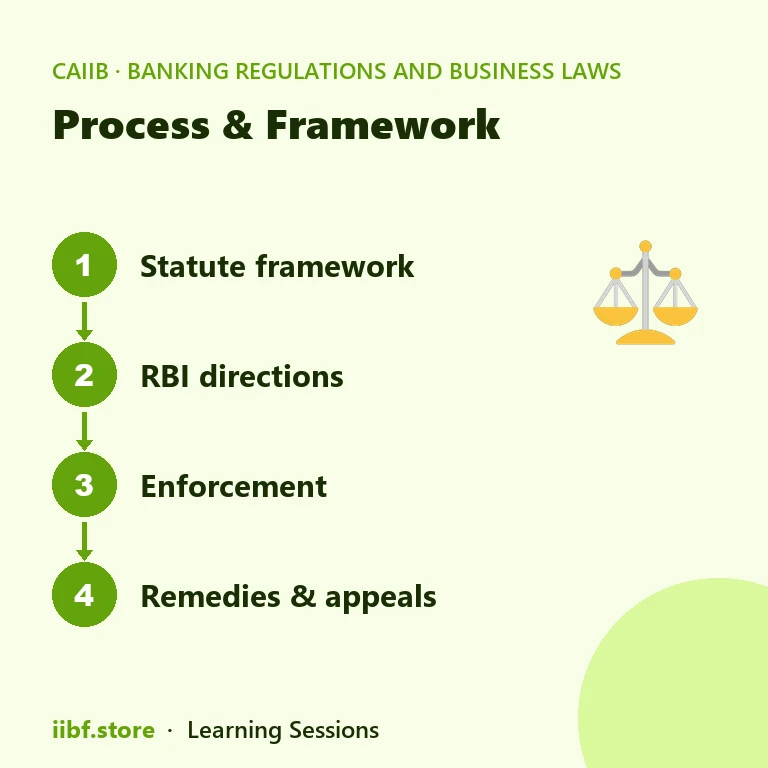
Contract Act, deal में बिना consent बदलाव होने पर surety को कई exit routes देता है। Section 133 surety को तब discharge करता है जब creditor और principal debtor surety की approval के बिना contract terms में बदलाव करते हैं। guarantor को बताए बिना sanctioned limit बढ़ाना या interest rate में material बदलाव करना future exposure के लिए guarantee को release कर सकता है।
Section 134 surety को तब discharge करता है जब creditor principal debtor को release या discharge करता है, या ऐसा कोई contract करता है जो debtor को discharge कर दे। Section 135 यह जोड़ता है कि surety की सहमति के बिना principal debtor के साथ compound करना, उसे time देना, या उस पर मुकदमा न करने का वादा करना भी surety को discharge करता है, जब तक guarantee ऐसी indulgence के बावजूद बनी रहने के लिए drafted न हो।
Section 139 surety को वहां discharge करता है जहां creditor का अपना act या omission principal debtor के खिलाफ surety की अंतिम remedy को कमजोर कर देता है। बैंक इन traps से बचने के लिए guarantee deed में एक continuing security clause और notice की waiver clause जोड़ते हैं, ताकि routine renewals गलती से surety को discharge न कर दें।
ये drafting safeguards व्यापक company-side compliance के साथ-साथ चलती हैं, जिसमें यह भी शामिल है कि corporates share buyback and bonus issue से जुड़े फैसले कैसे लेते हैं, क्योंकि जब बैंक किसी company को surety के रूप में accept करता है तो corporate guarantor की net worth और board resolutions दोनों मायने रखते हैं।
एक बार surety creditor को पूरा भुगतान कर दे, तो Section 140 surety को वे सभी rights दे देता है जो creditor के पास principal debtor के खिलाफ थे। यही subrogation का doctrine है। surety effectively creditor की जगह ले लेता है और भुगतान की गई राशि principal debtor से वसूल सकता है।
Section 141 इसे और आगे बढ़ाता है। surety को guarantee दिए जाने के समय creditor के पास principal debtor के खिलाफ मौजूद हर security का लाभ मिलता है, चाहे surety को उसकी जानकारी हो या न हो। Section 145 यह मानता है कि principal debtor का surety को implied promise होता है कि guarantee के तहत surety ने जो भी राशि सही ढंग से चुकाई है, उसके लिए वह indemnify करेगा।
व्यवहार में, बैंक collateral documents के साथ guarantees लेते हैं, उन्हें ठीक से stamp करवाते हैं, और जहां कानून registration की मांग करता है वहां register करवाते हैं। सही stamping enforceability की रक्षा करती है, जो stamp duty and registration of bank documents से सीधे जुड़ा बिंदु है। Guarantee deeds रोजमर्रा की banking में इस्तेमाल होने वाले instruments से भी interact करती हैं, इसलिए इस topic के साथ negotiable instruments act provisions for bankers दोहराने से candidates को recovery की पूरी तस्वीर समझने में मदद मिलती है।
किसी भी secured facility को renew या amend करने से पहले, जिसमें surety शामिल हो, नीचे दी गई table एक quick sanity check है।
| आधार | Section | Surety Discharge होता है? |
|---|---|---|
| बिना सहमति contract terms में बदलाव | 133 | ✅ हाँ |
| Principal debtor को release या discharge करना | 134 | ✅ हाँ |
| Revocation notice, लेकिन सिर्फ future transactions के लिए | 130 | ❌ नहीं, past dues बरकरार |
| सिर्फ मुकदमा करने में forbearance, कोई fixed time नहीं दी गई | 137 | ❌ नहीं |
इसकी तुलना उससे करें कि जब NBFC co-lending या partner arrangements में कोई corporate guarantor शामिल होता है तो बैंक risk कैसे manage करते हैं, और banking with partnership firms and HUF accounts यह कैसे बदल देता है कि किसी firm के borrowings के लिए valid रूप से surety कौन बन सकता है।
Reserve Bank of India के अनुसार, बैंकों को guarantors पर उतनी ही due diligence करनी चाहिए जितनी वे borrowers पर करते हैं, क्योंकि guarantee उतनी ही अच्छी है जितनी surety की भुगतान करने की क्षमता और इच्छा। यह regulatory expectation दोहराती है कि guarantor की legal position को सिर्फ paperwork समझकर नहीं छोड़ा जा सकता।
🎯 Conclusion: परीक्षा से पहले ये Sections पक्के करें
guarantor की legal position sections के एक छोटे, सीखने लायक set पर टिकी है: definition के लिए 126, co-extensive liability के लिए 128, continuing guarantee और revocation के लिए 129 से 131, discharge के लिए 133 से 139, और subrogation व indemnity के लिए 140 से 145। इन सात-आठ sections में महारत हासिल कर लें तो यह BRBL topic कमजोर क्षेत्र नहीं रहेगा।
इस chapter के साथ-साथ regulation of banking business imp ques revise करें, फिर speed पक्की करने के लिए पूरे full-length practice sets attempt करें। CAIIB BRBL की और coverage के लिए banking regulations and business laws tag hub के हर topic को browse करें, और असली exam से पहले अपनी स्थिति जांचने के लिए iibf.store's CAIIB course पर एक timed mock दें।
🧠 Practice MCQs: Legal Position of a Guarantor
Q1. Indian Contract Act के Section 126 के तहत, contract of guarantee में कितनी parties होती हैं? (a) दो (b) तीन (c) चार (d) एक
Answer: (b) — किसी guarantee में हमेशा एक principal debtor, एक creditor, और एक surety होता है।
Q2. Section 128 के तहत surety की liability को किस रूप में बताया गया है: (a) Principal debtor से independent (b) Principal debtor के बराबर co-extensive (c) हमेशा principal debtor से ज्यादा (d) principal debt की आधी तक सीमित
Answer: (b) — Section 128 surety की liability को principal debtor के बराबर co-extensive बनाता है, जब तक contract में अलग से न कहा गया हो।
Q3. Cash credit account के लिए continuing guarantee को future transactions के लिए किस Section के तहत revoke किया जा सकता है: (a) Section 126 (b) Section 128 (c) Section 130 (d) Section 145
Answer: (c) — Section 130 notice देकर continuing guarantee की revocation की अनुमति देता है, लेकिन सिर्फ future transactions के लिए।
Q4. यदि बैंक बिना surety की सहमति के principal debtor को liability से release कर देता है, तो surety किस Section के तहत discharge होता है: (a) Section 133 (b) Section 134 (c) Section 140 (d) Section 141
Answer: (b) — जब creditor principal debtor को release या discharge करता है तो Section 134 surety को discharge करता है।
Q5. Creditor को पूरा भुगतान करने के बाद, principal debtor के खिलाफ creditor की जगह लेने का surety का right किस Section से मिलता है: (a) Section 126 (b) Section 133 (c) Section 140 (d) Section 135
Answer: (c) — Section 140 भुगतान के बाद surety को वे सभी rights देता है जो creditor के पास principal debtor के खिलाफ थे, जिसे subrogation कहा जाता है।
Chapter-wise mock tests, 100+ MCQs के साथ चाहिए? Start practising free →
Principal debtor की तुलना में guarantor की legal position क्या है?
Section 128 के तहत, guarantor की liability principal debtor के बराबर co-extensive होती है, यानी creditor पूरी राशि किसी भी party से वसूल सकता है, जब तक guarantee contract इसे सीमित न करे।
क्या guarantor कभी भी continuing guarantee revoke कर सकता है?
हाँ, Section 130 के तहत guarantor creditor को notice देकर future transactions के लिए continuing guarantee revoke कर सकता है, लेकिन पहले से cover हुए past transactions की liability जारी रहती है।
क्या guarantor की मृत्यु से पूरी guarantee खत्म हो जाती है?
नहीं। Section 131 किसी contrary contract की अनुपस्थिति में guarantee को सिर्फ मृत्यु के बाद के future transactions के लिए revoke करता है। मृत्यु से पहले accrue हुए dues के लिए estate liable रहता है।
बैंक को पूरा भुगतान करने के बाद guarantor के rights का क्या होता है?
Section 140 surety को उन सभी rights में subrogate करता है जो creditor के पास principal debtor के खिलाफ थे, और Section 141 surety को creditor के पास मौजूद किसी भी security का लाभ भी देता है।
Quick quiz on this topic
5 exam-style questions from our free test bank — check yourself before you move on.
Practice this topic
मुफ़्त मॉक टेस्ट दें, चैप्टर PDF डाउनलोड करें या वीडियो क्लास देखें — सब iibf.store पर मुफ़्त है।
पढ़ना जारी रखें