रीजनल रूरल बैंक संरचना: स्वामित्व, पूंजी और CAIIB RB के लिए 2025 समेकन
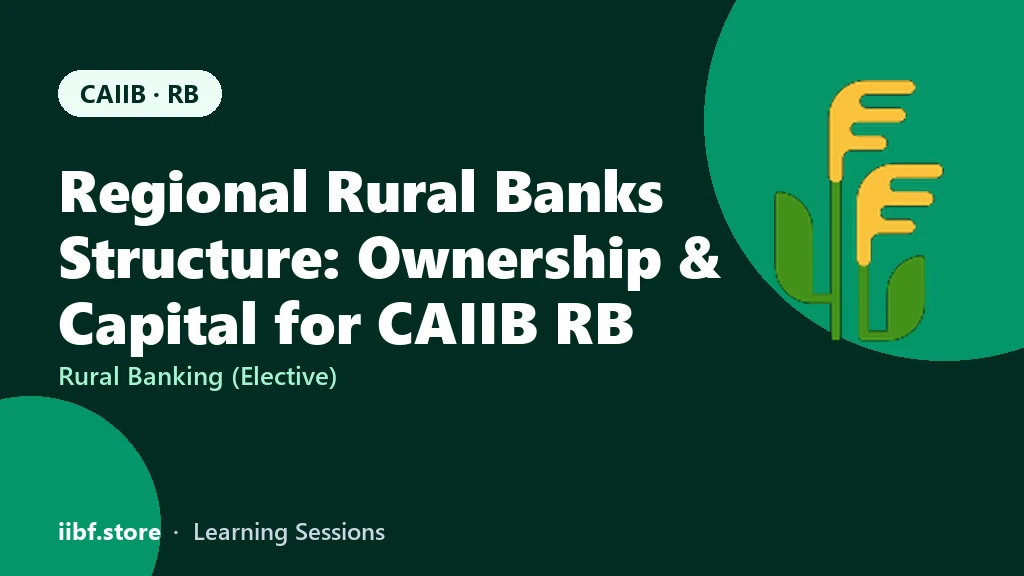
CAIIB Rural Banking के उम्मीदवारों के लिए regional rural banks structure देखने में आसान लगता है, लेकिन ownership ratio, sponsor bank की भूमिका और हाल की consolidation प्रक्रिया में परीक्षा के कई ट्रैप छिपे होते हैं। यह लेख बताता है कि एक Regional Rural Bank (RRB) कैसे owned, capitalised, regulated है और सरकार की 2025 वाली "One State–One RRB" नीति ने इसे कैसे बदल दिया है — साथ ही वे सटीक आँकड़े भी, जिन्हें परीक्षक बार-बार पूछते हैं।
📊 RRB की Ownership और Capital Structure
हर Regional Rural Bank RRB Act, 1976 के तहत बना एक संयुक्त स्वामित्व वाला संस्थान है, जिसमें तीन stakeholders paid-up capital का एक तय अनुपात रखते हैं। यह बंटवारा है केंद्र सरकार 50%, Sponsor Bank 35%, और संबंधित राज्य सरकार 15% — यह अनुपात उम्मीदवारों को रट लेना चाहिए, क्योंकि परीक्षक विकल्पों में यह प्रतिशत अक्सर आपस में बदलकर पूछते हैं।
RRB (Amendment) Act, 2015 के बाद authorised capital की सीमा बढ़ा दी गई, और हर amalgamated RRB का authorised capital अब ₹2,000 crore है, जो ₹10 के fully paid-up shares में बँटा है। इस amendment ने अन्य संस्थानों से capital infusion का रास्ता भी खोला, बशर्ते तीनों मूल stakeholders की मिलाकर holding 51% से नीचे न जाए — इससे RRBs सरकारी नियंत्रण कम किए बिना growth capital जुटा सकते हैं।
💡 Exam Tip: अनुपात 50:35:15 (Centre : Sponsor Bank : State) याद रखें — RRB-structure से जुड़े सवालों में यही सबसे ज्यादा दोहराया जाने वाला numerical है।
🏦 Sponsor Bank की भूमिका
हर RRB को एक scheduled commercial bank sponsor करता है, आमतौर पर वह public sector bank जिसकी उस क्षेत्र में मजबूत मौजूदगी हो। Sponsor bank सिर्फ equity रखने से कहीं ज्यादा करता है — यह share capital subscribe करता है, senior management और staff भेजता है, technology और core banking support देता है, RRB कर्मचारियों को training देता है, और शुरुआती वर्षों में RRB को money market व refinance facilities तक पहुँचने में मदद करता है।
"One State–One RRB" ढांचे के तहत अब हर राज्य का एक ही sponsor bank होता है जो consolidated entity के लिए जिम्मेदार है — पहले की उस व्यवस्था की जगह जिसमें एक ही राज्य में कई sponsor banks कई RRBs चला सकते थे। इससे accountability एक जगह केंद्रित हो जाती है और sponsor bank अलग-अलग सिस्टम वाले overlapping RRBs चलाने के बजाय एक ही unified technology stack, HR policy और credit framework चला पाता है।
⚠️ Common Mistake: sponsor bank को regulator मत समझिए। Sponsor bank capital और managerial support देता है; supervision और licensing RBI और NABARD के पास होती है, sponsor bank के पास नहीं।
🔄 2025 की "One State–One RRB" Consolidation
2006 से अब तक RRB consolidation चार चरणों से गुजर चुकी है, जिसने संख्या 196 RRBs से घटाकर 2021 तक 43 कर दी। चौथा और सबसे बड़ा चरण 1 मई 2025 को लागू हुआ, जब सरकार ने RRBs का amalgamation इस तरह किया कि हर राज्य (और लागू केंद्र शासित प्रदेश) में सिर्फ एक RRB रहे — इससे राष्ट्रीय संख्या घटकर 28 RRBs रह गई, जो 26 राज्यों और 2 केंद्र शासित प्रदेशों में काम कर रहे हैं।
इसके पीछे के उद्देश्य परीक्षा में जाने-पहचाने हैं: administrative overheads घटाना, technology और HR practices को standardise करना, balance sheet को गहरा करना ताकि RRBs बड़े loan exposure संभाल सकें, और कमजोर RRBs को मजबूत, merged entities के जरिए ऊपर उठाकर overall financial health सुधारना। ये consolidated banks मिलकर 22,000 से ज्यादा branches का network चलाते हैं, जिनमें से 92% से अधिक rural और semi-urban केंद्रों में हैं — यह दिखाता है कि RRBs आज भी ग्रामीण भारत के बड़े हिस्से के लिए formal-banking का सबसे नजदीकी touchpoint हैं।
| Feature | 1 मई 2025 से पहले | 1 मई 2025 के बाद |
|---|---|---|
| देशभर में RRBs की संख्या | 43 | 28 |
| प्रति राज्य एक sponsor bank | ❌ एक राज्य में कई RRBs/sponsors संभव | ✅ प्रति राज्य/UT ठीक एक RRB |
| प्रति RRB authorised capital | कम, amalgamation-पूर्व सीमा | ₹2,000 crore |
| Shareholding ratio (Centre : Sponsor : State) | 50 : 35 : 15 | 50 : 35 : 15 (अपरिवर्तित) |
| Branch network | ज्यादा entities में बिखरा हुआ | 28 unified RRBs के तहत 22,000+ branches |
📌 Remember: 2025-पूर्व संख्या = 43 RRBs। 1 मई 2025 के बाद संख्या = 26 राज्यों और 2 UTs में फैले 28 RRBs। यह मौजूदा CAIIB cycle के लिए एक live, testable आँकड़ा है।
⚖️ Regulatory और Legal Framework
RRBs की कानूनी स्थिति hybrid है। ये RRB Act, 1976 के तहत incorporate होते हैं (यह एक विशेष केंद्रीय statute है, Companies Act नहीं), फिर भी ये scheduled commercial banks की तरह काम करते हैं और अन्य banks को नियंत्रित करने वाले उसी prudential umbrella के अंतर्गत आते हैं। RBI, Banking Regulation Act, 1949 के तहत RRBs को regulate करता है — licensing, capital adequacy, exposure और asset-classification norms तय करता है — जबकि दिन-प्रतिदिन की supervision, inspection और developmental support NABARD संभालता है, जो agriculture और rural development lending के लिए RRBs को refinance भी देता है।
यह दोहरी संरचना — RBI as prudential regulator, NABARD as supervisor-cum-development financier — RRBs की एक विशिष्ट पहचान है, जो इन्हें commercial banks (जो पूरी तरह RBI द्वारा regulated व supervised होते हैं) और cooperative banks दोनों से अलग करती है। RURAL Banking 2024 chapter तैयार करने वाले उम्मीदवारों को ध्यान रखना चाहिए कि 2025 की consolidation से यह framework नहीं बदला है — सिर्फ regulate होने वाली entities की संख्या और आकार बदला है।
🌾 Rural Credit Delivery के लिए RRB Structure क्यों मायने रखता है
यह three-tier ownership design संयोग से नहीं बना — इसे इस तरह बनाया गया था कि RRBs एक cooperative-style institution की local पहुँच को commercial bank के professional lending discipline के साथ जोड़ सकें। Central और State government की हिस्सेदारी developmental intent और local accountability को टिकाए रखती है, जबकि sponsor bank का 35% हिस्सा और managerial control credit appraisal, recovery और risk management को professional बनाए रखता है।
यह structure सीधे इस बात से जुड़ता है कि RRBs अपने priority sector lending दायित्व कैसे पूरे करते हैं, क्योंकि RRB Act के तहत इनका पूरा mandate agriculture, small enterprises और weaker sections पर केंद्रित है। RURAL DEVELOPMENT POLICIES chapter पढ़ने वाले पाठकों को यह मिलेगा कि RRB structure और rural development strategy एक ही सिक्के के दो पहलुओं की तरह पढ़ाए जाते हैं — किसी CAIIB Rural Banking answer में इन्हें अलग-अलग नहीं आँका जा सकता।
इसी ownership backbone पर टिकी ground-level योजनाएँ खुद अलग exam topics हैं: priority sector lending certificates जैसे instruments RRBs को अतिरिक्त PSL achievement trade करने देते हैं, जबकि collateral free agricultural loans और differential rate of interest scheme जैसे product-level नियम दिखाते हैं कि यही three-tier ownership design commercial discipline बनाए रखते हुए भी credit को weaker sections की ओर कैसे धकेलता है।
Consolidation से हर RRB के capital buffers भी मजबूत होते हैं, और यह इसलिए मायने रखता है क्योंकि पतली पूँजी वाला RRB structure अतीत में सूखे या फसल-मूल्य गिरावट जैसे तनाव वाले वर्षों में agricultural credit risk झेलने में संघर्ष करता रहा है। प्रति राज्य एक, बेहतर-capitalised RRB इसी नाजुकता को कम करने के लिए बनाया गया है।
🧠 Practice MCQs: Regional Rural Banks Structure
Q1. Under the ownership structure of a Regional Rural Bank, what is the shareholding of the Central Government, Sponsor Bank and State Government respectively? (a) 35:50:15 (b) 50:35:15 (c) 50:15:35 (d) 40:40:20
Answer: (b) — निर्धारित अनुपात है Central Government 50%, Sponsor Bank 35%, State Government 15%।
Q2. Regional Rural Banks were established under which legislation? (a) Banking Regulation Act, 1949 (b) Companies Act, 2013 (c) Regional Rural Banks Act, 1976 (d) NABARD Act, 1981
Answer: (c) — RRBs एक विशेष केंद्रीय statute, Regional Rural Banks Act, 1976 के तहत incorporate हैं।
Q3. Following the "One State–One RRB" consolidation effective 1 May 2025, how many RRBs currently operate in India? (a) 43 (b) 196 (c) 28 (d) 56
Answer: (c) — Consolidation के चौथे चरण ने संख्या 43 से घटाकर 26 राज्यों और 2 Union Territories में फैले 28 RRBs कर दी।
Q4. Who is primarily responsible for the supervision, inspection and refinance support of Regional Rural Banks? (a) SEBI (b) IRDAI (c) NABARD (d) SIDBI
Answer: (c) — NABARD, RRBs की supervision व inspection करता है और उनकी agricultural व rural development lending के लिए refinance देता है, जबकि RBI, Banking Regulation Act, 1949 के तहत prudential regulator है।
Q5. What is the authorised capital prescribed for each Regional Rural Bank after the RRB (Amendment) Act, 2015? (a) ₹500 crore (b) ₹1,000 crore (c) ₹2,000 crore (d) ₹5,000 crore
Answer: (c) — RRB (Amendment) Act, 2015 ने प्रति RRB authorised capital सीमा बढ़ाकर ₹2,000 crore कर दी, जो fully paid-up shares में बँटा है।
Chapter-wise mock tests चाहिए 100+ MCQs के साथ? मुफ्त अभ्यास शुरू करें →
❓ अक्सर पूछे जाने वाले प्रश्न
What is the current shareholding pattern of a Regional Rural Bank?
Central Government के पास 50%, Sponsor Bank के पास 35%, और संबंधित State Government के पास RRB की paid-up capital का 15% हिस्सा होता है। 2025 के amalgamation के बाद भी यह अनुपात reference structure बना हुआ है।
How many Regional Rural Banks exist in India today?
1 मई 2025 से लागू "One State–One RRB" consolidation के अनुसार, भारत में अब 26 राज्यों और 2 Union Territories में 28 RRBs काम कर रहे हैं, जो merger से पहले 43 RRBs थे।
Who regulates and supervises Regional Rural Banks?
RBI, Banking Regulation Act, 1949 के तहत prudential regulator है और licensing व capital norms तय करता है, जबकि NABARD, RRB lending के लिए on-site supervision, inspection और refinance support देता है।
What is the role of the sponsor bank in an RRB?
Sponsor bank share capital subscribe करता है, management और staff deputise करता है, technology व training देता है, और मौजूदा framework के तहत अपने राज्य के एकल consolidated RRB का इकलौता sponsor होता है।
अगला कदम उठाएँ
Regional rural banks structure एक compact, high-yield topic है — कुछ आँकड़े और एक legal framework ही ज्यादातर exam weightage कवर कर देते हैं। यही governance logic — fixed ownership ratios, एक sponsoring institution और एक dual regulator — CAIIB electives में बार-बार दिखती है, जिसमें HRM elective का बिल्कुल अलग विषय workers participation in management भी शामिल है। इस chapter को Rural Banking Elective article hub से और मजबूत करें, CAIIB course page पर parent framework दोहराएँ, और अपने attempt से पहले इसे RBI की अपनी primary material rbi.org.in के साथ जोड़कर पढ़ें।
Prefer revising from a printed book?
Chapter-wise books with MCQs after every chapter — minimal pages, complete coverage, delivered anywhere in India. Every book has a free sample to read first.
109 pages · 300 MCQs
Learning Sessions · Ashish Sir
148 pages · 478 MCQs
Learning Sessions · Ashish Sir
151 pages · 465 MCQs
Learning Sessions · Ashish Sir
148 pages · 375 MCQs
Learning Sessions · Ashish Sir
216 pages · 895 MCQs
Learning Sessions · Ashish Sir
104 pages · 360 MCQs
Learning Sessions · Ashish Sir
82 pages · 297 MCQs
Learning Sessions · Ashish Sir
151 pages · 600 MCQs
Learning Sessions · Ashish Sir
98 pages · 282 MCQs
Learning Sessions · Ashish Sir
131 pages · 672 MCQs
Learning Sessions · Ashish Sir
221 pages · 831 MCQs
Learning Sessions · Ashish Sir
128 pages · 524 MCQs
Learning Sessions · Ashish Sir
107 pages · 445 MCQs
Learning Sessions · Ashish Sir
132 pages · 225 MCQs
Learning Sessions · Ashish Sir
188 pages · 435 MCQs
Learning Sessions · Ashish Sir
117 pages · 236 MCQs
Learning Sessions · Ashish Sir
Learning Sessions · Ashish Sir
118 pages · 299 MCQs
Learning Sessions · Ashish Sir
Learning Sessions · Ashish Sir
Learning Sessions · Ashish Sir
Learning Sessions · Ashish Sir
115 pages · 255 MCQs
Learning Sessions · Ashish Sir
Learning Sessions · Ashish Sir
334 pages · 936 MCQs
Learning Sessions · Ashish Sir
Learning Sessions · Ashish Sir
115 pages · 344 MCQs
Learning Sessions · Ashish Sir
107 pages · 240 MCQs
Learning Sessions · Ashish Sir
90 pages · 150 MCQs
Learning Sessions · Ashish Sir
Learning Sessions · Ashish Sir
Quick quiz on this topic
5 exam-style questions from our free test bank — check yourself before you move on.
Practice this topic
मुफ़्त मॉक टेस्ट दें, चैप्टर PDF डाउनलोड करें या वीडियो क्लास देखें — सब iibf.store पर मुफ़्त है।
पढ़ना जारी रखें