NABARD Refinance for Rural Banking: Schemes, Eligibility और Claims (CAIIB RB)
ग्रामीण शाखा अधिकारी के लिए NABARD refinance for rural banking कोई किताबी कॉन्सेप्ट नहीं है — यही वह लाइन है जो तय करती है कि crop loan या dairy unit loan सैंक्शन होगा भी या नहीं। NABARD किसानों को सीधे लोन नहीं देता; वह उन banks, cooperatives और RRBs को refinance करता है जो असल में लेंडिंग करते हैं। इसका mandate, refinance की दो प्रमुख streams, और उनके पीछे की claim-filing discipline समझना CAIIB Rural Banking का core विषय है और एक बार-बार आने वाला exam theme भी।
यह article NABARD की संरचना, short-term और long-term refinance windows, इन्हें कौन access कर सकता है, RIDF इसमें कैसे fit होता है, और — सबसे practical बात — एक शाखा किस तरह sanctioned loan को refinance claim में बदलती है, इन सबको step-by-step समझाता है।
🏦 NABARD का Mandate और Refinance Architecture
NABARD (National Bank for Agriculture and Rural Development) की स्थापना NABARD Act, 1981 के तहत agriculture, rural infrastructure और allied rural non-farm activity के लिए apex development financial institution के रूप में हुई थी। यह retail lending के लिए अपनी शाखाएं नहीं चलाता। इसके बजाय यह two-tier structure में काम करता है: NABARD eligible banking institutions को refinance करता है, और वे institutions असल borrower — किसान, FPO, ग्रामीण कारीगर या housing beneficiary — को लोन देते हैं।
NABARD के तहत refinance दो बड़े buckets में बंटा है। पहला है short-term (ST) refinance, जो seasonal agricultural operations और working-capital-type credit के लिए है। दूसरा है investment credit के लिए long-term refinance, जो multi-year repayment horizon के साथ asset creation को cover करता है। एक अलग और अलग window — Rural Infrastructure Development Fund (RIDF) — individual borrower credit के बजाय infrastructure projects को फंड करती है। ग्रामीण credit को इस layered structure की जरूरत क्यों पड़ी, इसकी background के लिए rural development policies चैप्टर एक उपयोगी साथी-पठन है, क्योंकि NABARD की refinance भूमिका उसी बड़े policy framework के भीतर बैठती है।
NABARD के अपने resources RBI, government allocations, market borrowings और banks द्वारा उसके पास रखी जाने वाली PSL-shortfall deposits से आते हैं। participating institutions से NABARD जो refinance rate वसूलता है वह आम तौर पर उसकी अपनी cost of funds और facility के tenor से जुड़ा होता है, और lending institution end-borrower को loan price करने से पहले अपना margin जोड़ता है — इसलिए borrower की rate हमेशा उस refinance rate से कुछ ज्यादा होती है जो NABARD बैंक को देता है।
🌾 Seasonal Agricultural Operations के लिए Short-Term Refinance
Seasonal Agricultural Operations (SAO) के तहत short-term (ST) refinance, NABARD refinance for rural banking का working-capital वाला हिस्सा है। यह एक ही cropping season को फंड करने वाले crop loans — inputs, labour और cultivation costs — को सपोर्ट करता है, और प्रत्येक crop व district के लिए तय scale-of-finance-based limit के विरुद्ध निकाला जाता है।
ST(SAO) refinance मुख्य रूप से State Cooperative Banks (StCBs), District Central Cooperative Banks (DCCBs) और Regional Rural Banks (RRBs) द्वारा access किया जाता है, क्योंकि ground-level crop lending की रीढ़ यही institutions बनते हैं। Commercial banks, जिनके पास आमतौर पर पर्याप्त own resources होते हैं, routine crop loans के लिए इस विशेष window पर कम निर्भर रहते हैं, हालांकि NABARD समय-समय पर उन्हें दूसरी liquidity support facilities भी देता है।
Tenor आमतौर पर crop cycle को follow करता है — सामान्यतः 12 महीने तक — और limit हर season lending branch द्वारा रिपोर्ट की गई drawing power के आधार पर renew होती है। short-term crop loans के लिए interest subvention schemes (जहां लागू हों) इसी ST refinance channel से होकर गुजरती हैं, यही वजह है कि disbursement और recovery data की सटीक, समय पर रिपोर्टिंग शाखा के लिए एक formality नहीं है — यह सीधे तय करती है कि subvention claim honour होगा या नहीं।
💡 Exam Tip: ST(SAO) refinance crop season और scale of finance से जुड़ा होता है, borrower की overall credit limit से नहीं — जब कोई प्रश्न ST versus LT refinance को टेस्ट करे तो यह फर्क याद रखें।
🚜 Investment Credit के लिए Long-Term Refinance
Long-term (LT) refinance, जिसे investment credit refinance भी कहा जाता है, ऐसे asset creation को फंड करता है जिसकी repayment period एक season से आगे तक फैलती है — आमतौर पर फाइनेंस किए जा रहे asset की useful life के आधार पर लगभग तीन से पंद्रह साल तक। इसमें minor irrigation, farm mechanisation, plantation और horticulture, dairy और poultry units, land development, individual या FPO स्तर पर storage और processing infrastructure, और rural housing सहित rural non-farm activity शामिल है।
ST(SAO) refinance के विपरीत, LT window संस्थाओं के एक व्यापक समूह के लिए खुली है: StCBs, DCCBs, State Cooperative Agriculture and Rural Development Banks, RRBs, और commercial banks (जिनमें private व small finance banks भी शामिल हैं जो NABARD के eligibility norms पूरे करते हैं)। क्योंकि ये asset-backed, multi-year exposures हैं, NABARD refinance limit sanction करने से पहले आमतौर पर underlying scheme — कोई model investment credit scheme, या bank-specific project — का appraisal करता है, और disbursement एक साथ पूरी राशि के बजाय शाखा के वास्तविक loan disbursal के अनुरूप phased तरीके से जारी होता है।
underlying loan के लिए margin money, security norms और repayment moratorium (gestation period) बैंक की अपनी credit policy का हिस्सा होते हैं, जिन्हें NABARD की model scheme parameters के अनुरूप calibrate किया जाता है, क्योंकि refinance sanction इन्हीं assumptions पर बना होता है। इस window के तहत dairy unit या drip-irrigation project फाइनेंस करने वाली शाखा को repayment schedule को asset के gestation period से मैप करना चाहिए — cash-flow के लिहाज से एक sprinkler set एक orchard से बहुत अलग व्यवहार करता है।
⚠️ Common Mistake: उम्मीदवार अक्सर मान लेते हैं कि सारा NABARD refinance short-term ही होता है। असल में investment credit (LT) book दोनों streams में बड़ा और ज्यादा विविध है, जो agri-allied, non-farm और housing assets तक फैला हुआ है।

🏗️ RIDF: व्यक्तिगत लोन नहीं, ग्रामीण Infrastructure को फंडिंग
Rural Infrastructure Development Fund ST/LT refinance-to-borrower structure से बाहर बैठता है। RIDF उन banks से funded होता है जो अपने Priority Sector Lending sub-targets में कम पड़ते हैं — वे shortfall राशियां लोन के रूप में देने के बजाय NABARD के पास deposit की जाती हैं, और NABARD उस corpus का इस्तेमाल state governments और approved agencies द्वारा उठाए गए rural infrastructure projects को फाइनेंस करने में करता है, न कि individual किसानों या फर्मों को। सड़कें, irrigation, पुल, ग्रामीण connectivity, और स्कूल व health facilities जैसा social infrastructure — ये typical RIDF-funded categories हैं।
हर साल का RIDF corpus Union Budget के जरिए घोषित होता है और tranches में allocate किया जाता है; किसी दिए गए tranche के लिए exact allocation और interest rate साल-दर-साल बदलती रहती है, इसलिए specific figures को याद रखने वाले नंबर के बजाय एक moving target की तरह देखें — CAIIB के लिए mechanism अंक से ज्यादा मायने रखता है। exam के लिए जो चीज़ मायने रखती है वह है causal chain: PSL shortfall → RIDF deposit → state-government infrastructure loan → NABARD recovery state government से होती है, न कि original shortfall बैंक से। इसीलिए RIDF को कभी-कभी priority-sector policy और rural infrastructure gaps के बीच एक bridge के रूप में बताया जाता है। जो उम्मीदवार Priority Sector Lending targets revise कर रहे हैं उन्हें यह चैप्टर इसके साथ पढ़ना चाहिए, क्योंकि RIDF corpus सचमुच PSL shortfalls से ही निकलता है।
RIDF projects के जरिए पहचाने गए infrastructure gaps वापस ground-level credit absorption से भी जुड़ते हैं — बिना all-weather road या irrigation channel वाले गांव में investment credit refinance का uptake भी कमजोर रहेगा। infrastructure चैप्टर और agriculture economy चैप्टर दोनों वह context बनाते हैं जिसके भीतर RIDF बैठता है, और इस refinance चैप्टर के साथ इन्हें भी revise करना उचित है।
📌 Remember: RIDF state agencies के लिए infrastructure finance है; ST/LT refinance lending banks के लिए borrowers को आगे उधार देने के मकसद से दिया गया credit support है। exam answer में इन दोनों को मिलाएं नहीं।
📋 शाखा वास्तव में Refinance Claim कैसे रूट करती है
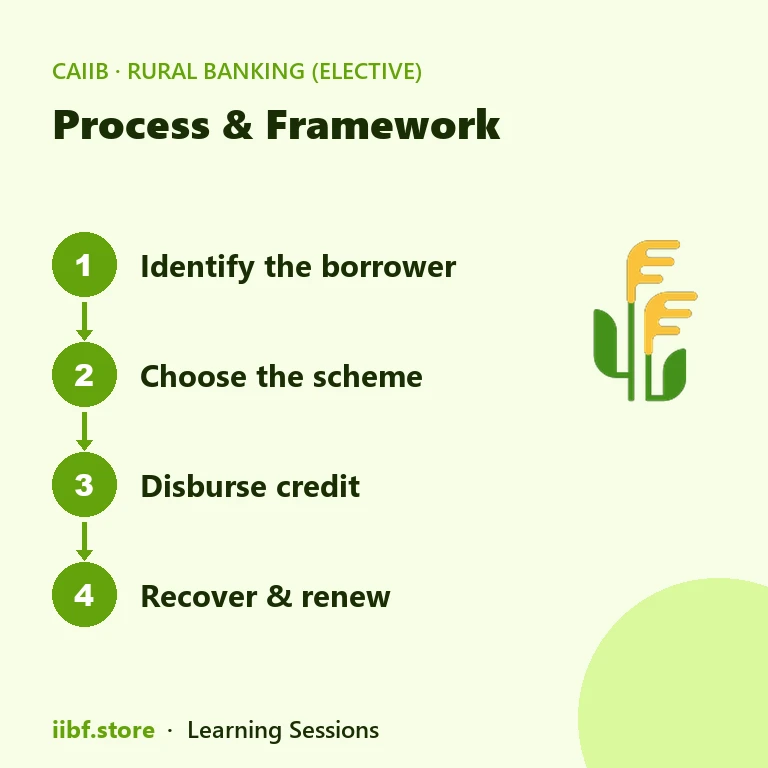
लोन sanction होते ही refinance अपने आप नहीं आ जाता — शाखा को documentation के जरिए इसे अर्जित करना पड़ता है। ST(SAO) limits के लिए, शाखा अपनी crop-loan drawing power और disbursement data अपने controlling office (regional या head office) को रिपोर्ट करती है, जो शाखाओं भर के figures को consolidate करके prescribed format में NABARD Regional Office के पास एक ही claim फाइल करता है, आमतौर पर crop calendar से जुड़े periodic (monthly या seasonal) cycle में।
LT investment credit के लिए sequence scheme-based है: शाखा किसी approved investment credit scheme के तहत लोन sanction और disburse करती है, फिर disbursement particulars — borrower details, purpose, amount, बनाई गई security, जहां लागू हो insurance, और KYC compliance — controlling office को रिपोर्ट करती है, जो disbursements आगे बढ़ने के साथ sanctioned refinance limit के विरुद्ध phased claim फाइल करता है। NABARD बैंक के account में refinance funds जारी करने से पहले claim को scheme terms के विरुद्ध verify करता है।
Documentation discipline ही smooth claim और reject हुए claim में फर्क पैदा करती है: सही loan sanction proceedings, disbursement vouchers, security/charge documents (जहां जमीन collateral के रूप में दी गई हो वहां verified agricultural land records in rural banking सहित), फाइनेंस किए गए asset के लिए insurance cover, और scale of finance या model scheme norms का पालन। ग्रामीण शाखाओं में बार-बार होने वाला staff turnover भी यहां एक चुपचाप असर डालता है — जो शाखा trained agri-credit staff को बार-बार खोती रहती है (देखें attrition and employee retention in banks) वह देर से या avoidable errors के साथ claim फाइल करती है, जिससे refinance receipt में देरी होती है और शाखा की अपनी liquidity पर दबाव पड़ता है। Lead Bank Scheme and district credit plan framework में बताई गई district credit plan process के साथ coordination भी शाखाओं को claim के वक्त हड़बड़ाने के बजाय seasonal refinance demand का अंदाजा पहले से लगाने में मदद करता है।
🎯 NABARD Refinance पर Exam-Ready होना
CAIIB Rural Banking में, examiners बार-बार तीन चीजें टेस्ट करते हैं: ST versus LT का फर्क, कौन-सी institution कौन-सी window access कर सकती है, और RIDF की funding chain। अपनी revision को अलग-थलग facts के बजाय इस flow के इर्द-गिर्द बनाएं — refinance source, eligible institution, purpose, tenor, और claim route। rural banking elective tag hub पर और subject notes ब्राउज़ करें, और concepts पक्के होने के बाद इस पढ़ाई को exam speed में बदलने के लिए iibf.store के CAIIB course के तहत timed practice पर जाएं। margin calculations को प्रभावित करने वाली refinance rates और RBI-linked benchmarks की latest जानकारी के लिए, NABARD के अपने publications ही primary source बने रहते हैं — scheme circulars और annual reports के लिए nabard.org देखें।
| Parameter | Short-Term (SAO) Refinance | Long-Term (Investment Credit) Refinance |
|---|---|---|
| Purpose | Crop loans / seasonal agricultural operations | Farm mechanisation, irrigation, dairy, plantation, non-farm, rural housing |
| सामान्य Tenor | 12 महीने तक, हर season renew | लगभग 3 से 15 साल, asset life के अनुरूप |
| मुख्य पात्र संस्थाएं | StCBs, DCCBs, RRBs | StCBs, DCCBs, SCARDBs, RRBs, commercial banks |
| Claim का आधार | Crop-season limit के विरुद्ध drawing power | Sanctioned scheme के तहत phased disbursement |
| Commercial banks के लिए प्राथमिक channel | ❌ सीमित — आमतौर पर own resources इस्तेमाल होते हैं | ✅ सक्रिय रूप से access किया जाता है |
| PSL/interest subvention reporting से जुड़ा | हां | हां |
🧠 Practice MCQs: NABARD Refinance for Rural Banking
Q1. NABARD मुख्य रूप से किसे refinance प्रदान करता है? (a) सीधे individual farmers को (b) Eligible banks, cooperatives और RRBs को (c) केवल state governments को (d) विशेष रूप से NBFC-MFIs को
Answer: (b) — NABARD two-tier model पर काम करता है, यह किसानों को सीधे लोन देने के बजाय lending institutions को refinance करता है।
Q2. Short-term (SAO) refinance मुख्य रूप से किसे सपोर्ट करने के लिए डिज़ाइन किया गया है? (a) Dairy unit construction (b) एक ही cropping season के crop loans (c) Rural road building (d) Farm mechanisation purchases
Answer: (b) — ST(SAO) refinance seasonal, working-capital-type crop credit को cover करता है, multi-year asset creation को नहीं।
Q3. Rural Infrastructure Development Fund (RIDF) का corpus मुख्य रूप से किससे प्राप्त होता है? (a) RBI के open market operations से (b) Priority Sector Lending sub-targets में banks के shortfall से (c) State government के tax revenue से (d) NABARD की अपनी equity capital से
Answer: (b) — जो banks PSL sub-targets में कम पड़ते हैं वे shortfall NABARD के पास deposit करते हैं, जो इससे RIDF projects को फंड करता है।
Q4. NABARD से long-term investment credit refinance आमतौर पर किस तरह disburse होता है? (a) किसी भी lending से पहले एक साथ पूरी राशि के रूप में (b) एक sanctioned scheme के तहत वास्तविक disbursement के विरुद्ध phases में (c) केवल borrower द्वारा पूरा repayment करने के बाद (d) सीधे borrower के account में
Answer: (b) — LT refinance एक phased claim process को follow करता है जो approved scheme के तहत शाखा की वास्तविक disbursement progress से जुड़ा होता है।
Q5. Investment credit refinance के बजाय ST(SAO) refinance की प्राथमिक उपयोगकर्ता आमतौर पर कौन-सी institution होती है? (a) Small Finance Banks (b) Private commercial banks (c) District Central Cooperative Banks (d) NBFCs
Answer: (c) — DCCBs, StCBs और RRBs के साथ, seasonal crop lending के लिए ST(SAO) refinance के core users हैं।
100+ MCQs वाले chapter-wise mock tests चाहिए? मुफ्त practice शुरू करें →
क्या NABARD किसानों को सीधे लोन देता है?
नहीं। NABARD eligible banks, cooperatives और RRBs को refinance करता है, जो फिर असल borrower — किसान, FPO या ग्रामीण उद्यम — को लोन देते हैं।
NABARD के ST और LT refinance में मुख्य फर्क क्या है?
Short-term (SAO) refinance crop cycle के भीतर चुकाए जाने वाले seasonal crop loans को सपोर्ट करता है, जबकि long-term (investment credit) refinance irrigation, dairy units या farm mechanisation जैसे multi-year asset creation को फंड करता है।
NABARD का investment credit refinance कौन-सी institutions access कर सकती हैं?
State Cooperative Banks, District Central Cooperative Banks, State Cooperative Agriculture and Rural Development Banks, Regional Rural Banks और NABARD के eligibility criteria पूरे करने वाले commercial banks long-term investment credit refinance access कर सकते हैं।
RIDF, NABARD की regular refinance schemes से कैसे अलग है?
RIDF, NABARD के पास deposit किए गए PSL-shortfall corpus का इस्तेमाल करके state governments और approved agencies द्वारा execute किए गए rural infrastructure projects को फंड करता है, जबकि ST और LT refinance banks के जरिए routed individual borrower credit को सपोर्ट करते हैं।
Quick quiz on this topic
5 exam-style questions from our free test bank — check yourself before you move on.
Practice this topic
मुफ़्त मॉक टेस्ट दें, चैप्टर PDF डाउनलोड करें या वीडियो क्लास देखें — सब iibf.store पर मुफ़्त है।
पढ़ना जारी रखें