बैंकों में Treasury Operations: CAIIB ABM गाइड (2026)
हर commercial बैंक एक dealing room चलाता है जो चुपचाप ज़्यादातर branches से मिलकर भी ज़्यादा काम कर जाती है। बैंकों में treasury operations में funding, investment, forex और risk-management की वे गतिविधियां शामिल हैं जो बैंक की balance sheet को liquid, compliant और profitable बनाए रखती हैं। CAIIB Advanced Bank Management के candidates के लिए यह topic ALM, forex और money markets के मिलन बिंदु पर बैठा है — और examiners को front/mid/back office के बंटवारे, इस्तेमाल होने वाले instruments, और इस सबको govern करने वाले RBI framework पर सवाल पूछना बहुत पसंद है। यह गाइड इस विषय को ठीक उसी तरह तोड़कर समझाती है जैसे यह exam में आता है।
💰 बैंकों में Treasury Operations क्या हैं
सबसे सरल शब्दों में, बैंकों में treasury operations का मतलब है बैंक के funds, investments, forex positions और short-term liquidity का केंद्रीकृत प्रबंधन। पहले बैंक तीन अलग-अलग treasuries चलाते थे — एक domestic money market के लिए, एक forex के लिए, और एक securities/investment के लिए — और हर एक अलग से report करती थी। 2000 के दशक की शुरुआत से ज़्यादातर भारतीय बैंक integrated treasury मॉडल पर आ गए हैं, जिसमें money market, forex market, capital market (SLR और non-SLR investments) और derivatives desks एक ही head of treasury के अंतर्गत आते हैं, और एक साझा risk व technology platform इस्तेमाल करते हैं।
यह बदलाव इसलिए मायने रखता है क्योंकि इससे बैंक अपनी funding requirements को अलग-अलग markets में net कर पाता है — रुपये की कमी को call money, CBLO/TREPS के ज़रिए, या विदेश में सस्ते में उधार लिए डॉलर swap करके पूरा किया जा सकता है, जो भी उस दिन सबसे किफ़ायती हो। Integrated treasury statutory reserve management को भी केंद्रीकृत करती है: RBI के पास CRR और approved securities में SLR बनाए रखना, दोनों की लगातार निगरानी होती है ताकि किसी भी reporting Friday पर बैंक कम न पड़े। यही integration है जिसकी वजह से आज treasury desks को सिर्फ़ एक support function नहीं बल्कि profit centre माना जाता है — वे अपनी custodial भूमिका के साथ-साथ spread income, arbitrage gains और trading profits भी कमाती हैं।
🏦 Front, Mid और Back Office: कौन क्या करता है
हर treasury structurally तीन offices में बंटी होती है, और यह segregation of duties exam में पसंदीदा point है क्योंकि यह सिर्फ़ risk control के लिए बनाई गई है। Front office dealing room है — dealers जो trades execute करते हैं, counterparties को rates quote करते हैं, और approved limits के भीतर market positions लेते हैं। Back office front office द्वारा बुक किए गए हर deal के settlement, confirmation, reconciliation और accounting entries संभालती है; यह कभी price negotiate नहीं करती और न ही किसी counterparty से rates पर बात करती है।
इन दोनों के बीच mid office बैठती है, जो एक स्वतंत्र risk-monitoring function है जो limits के मुक़ाबले exposure track करती है (जैसे Net Overnight Open Position, Aggregate Gap Limit, और Value at Risk), Asset-Liability Management Committee (ALCO) के लिए MIS तैयार करती है, और limit breaches की जानकारी senior management को देती है। भविष्य के cash-flow gaps और rate movements का पूर्वानुमान लगाना ठोस statistical technique पर निर्भर करता है, इसलिए mid-office analysts हमारे Estimation वाले chapter में बताई गई इन्हीं estimation concepts पर काफ़ी हद तक भरोसा करते हैं। जो golden rule examiners बार-बार टेस्ट करते हैं वह यह है: front, mid और back office को हमेशा अलग-अलग reporting lines से report करना चाहिए, और ये तब तक नहीं मिलते जब तक top management तक नहीं पहुंच जाते — यही चीज़ दुनिया भर में देखी गई rogue-trading घटनाओं को दोहराने से रोकती है।
📈 Bank Treasury के Core Functions
Treasury desks पांच बड़े functions निभाती हैं। पहला, liquidity और funding management — यह सुनिश्चित करना कि बैंक के पास CRR/SLR और रोज़ाना के payment obligations पूरे करने के लिए पर्याप्त cash हो, कमी पड़ने पर call/notice money market या TREPS के ज़रिए उधार लेना, और अतिरिक्त होने पर surplus funds उधार देना। दूसरा, investment management — SLR funds को government securities में और non-SLR surplus को corporate bonds, commercial paper और certificates of deposit में लगाकर regulatory limits के भीतर yield को optimise करना।
तीसरा, forex management — बैंक की Net Overnight Open Position (NOOP) और Aggregate Gap Limit को RBI द्वारा approved सीमाओं के भीतर चलाना, merchant forex transactions को cover करना, और nostro accounts का management करना। चौथा, risk management — forwards, swaps और interest rate derivatives का इस्तेमाल कर interest rate और currency risk को hedge करना, और बैंक के ALM framework में data feed करना। पांचवां, arbitrage और proprietary trading — treasury desks सक्रिय रूप से government securities, forex और money-market instruments में trade करके trading gains कमाती हैं, क्योंकि markets के बीच price differentials (जैसे onshore बनाम offshore forex, या short-term बनाम long-term yields) असली profit के मौक़े देते हैं। इन trades को hedge या size करने से पहले yield और rate volatility को measure करना ज़रूरी होता है, इसलिए treasury analysts Measures of Central Tendency & Dispersion, Skewness, Kurtosis में पढ़ाई गई इन्हीं dispersion techniques का इस्तेमाल करते हैं।
💡 Exam Tip: अगर कोई सवाल पूछे "कौन-सी office risk exposure पर सीधे ALCO को report करती है," तो जवाब हमेशा mid office होता है — front या back office कभी नहीं।
⚖️ RBI Guidelines और Integrated Treasury Management
Reserve Bank of India investments के classification और valuation, FEMA के तहत forex management, और prudential exposure norms पर अपने master directions के ज़रिए treasury की operating सीमाएं तय करता है। Investments को तीन categories में बांटा जाता है — Held to Maturity (HTM), Available for Sale (AFS) और Held for Trading (HFT) — हर एक के अपने valuation और provisioning नियम हैं, और treasury को AFS/HFT books को तय अंतराल पर mark to market करना होता है। RBI हर बैंक के लिए उसकी capital और risk appetite के आधार पर अलग से NOOP और Aggregate Gap Limit भी तय करता है, और treasury dealers board-level approval के बिना इन्हें पार नहीं कर सकते।
Domestic side पर, call money market को लेकर RBI की guidelines participation को मुख्यतः बैंकों और चुनिंदा financial institutions तक सीमित रखती हैं, जिससे collateralised borrowing का ज़्यादातर volume TREPS पर चला जाता है। Treasury को अपनी SLR holdings को RBI के पास रखी Subsidiary General Ledger (SGL) से reconcile भी करना होता है और compliance की पुष्टि करते हुए समय-समय पर returns file करने होते हैं। मौजूदा framework को पूरी तरह पढ़ने के लिए सीधे Reserve Bank of India की वेबसाइट देखें, जहां policy बदलने पर master directions अपडेट होते रहते हैं।
⚠️ आम गलती: छात्र अक्सर HTM को एक "no-risk" category समझने की गलती करते हैं — HTM securities mark-to-market से exempt ज़रूर हैं, लेकिन फिर भी उनमें credit और reinvestment risk रहता है, और RBI यह भी तय करता है कि SLR portfolio का कितना हिस्सा HTM में रखा जा सकता है।
🎯 Treasury Risk Management और ALM Linkage
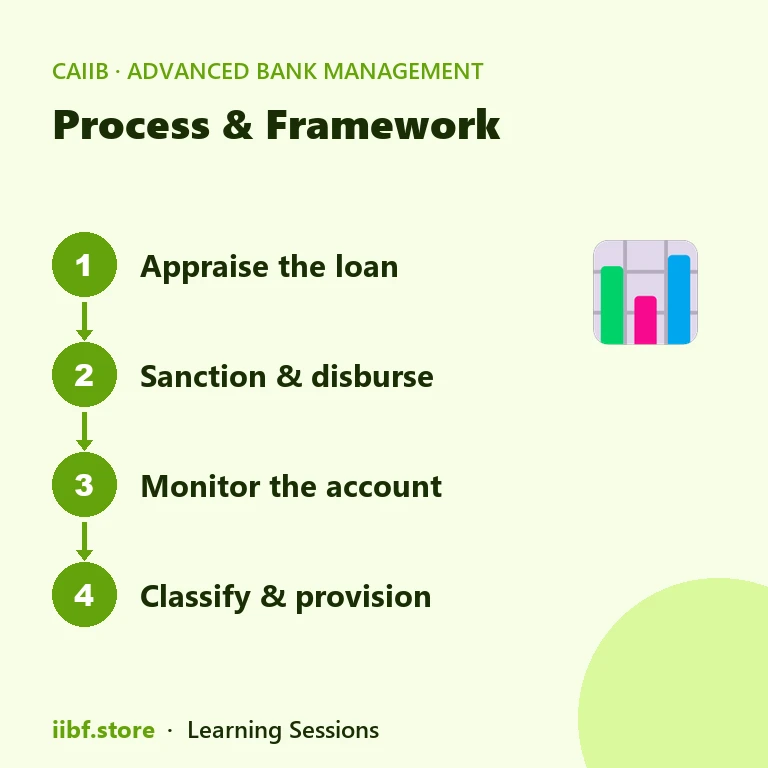
Treasury वह operational हाथ है जो ALM Committee के फ़ैसलों को अमल में लाता है। अगर ALCO 1-28 दिन के bucket में बढ़ते negative gap की चेतावनी देती है, तो treasury ही term deposits जुटाकर, money market में उधार लेकर, या किसी investment को unwind करके उसे बंद करती है। Interest rate risk को duration matching, gap analysis और interest rate swaps से manage किया जाता है; currency risk को RBI की सीमाओं के भीतर forward contracts और options से; और liquidity risk को Liquidity Coverage Ratio (LCR) और structural liquidity statements से, जिन्हें treasury रोज़ाना तैयार करती है।
चूंकि इसका बहुत कुछ controls को test करने के लिए सही transactions का sample चुनने और भविष्य के cash flows के लिए सही statistical estimate चुनने पर निर्भर करता है, इसलिए treasury audit teams अक्सर banking में sampling methods और hypothesis testing में बताई गई concepts का इस्तेमाल यह जांचने के लिए करती हैं कि कोई hedge या limit-monitoring process डिज़ाइन के अनुसार काम कर रही है या नहीं। इतना ही ज़रूरी यह भी है कि counterparties — बैंक, primary dealers, corporates — पर treasury का credit exposure उसी underwriting discipline से governed होता है जो lending के छह सिद्धांतों में पढ़ाया जाता है, क्योंकि settlement counterparty का default असल में एक credit event ही है।
📌 याद रखें: LCR, NOOP, Aggregate Gap Limit और duration gap — ये चार आंकड़े हैं जिन पर examiners treasury risk से जुड़े सवालों में सबसे ज़्यादा पूछते हैं; जानें कि हर एक क्या मापता है और कौन इसकी निगरानी करता है।
Treasury बैंक के बाकी risk-transfer business से अलग-थलग होकर भी काम नहीं करती। कई बैंक अब agricultural lending risk को government-backed schemes के ज़रिए route करते हैं, और जो treasury desks priority-sector portfolios को fund करती हैं उन्हें PMFBY crop insurance scheme जैसे instruments को समझना ज़रूरी है, क्योंकि insured crop loans का funding और risk profile unsecured retail credit से अलग होता है।
📊 Treasury Desk Comparison: Front vs Mid vs Back Office
| Function | Front Office | Mid Office | Back Office |
|---|---|---|---|
| Counterparties के साथ trades execute करना | ✅ | ❌ | ❌ |
| Risk limits (NOOP, AGL, VaR) की निगरानी | ❌ | ✅ | ❌ |
| Deals का settlement और confirmation | ❌ | ❌ | ✅ |
| Exposure पर ALCO को report करना | ❌ | ✅ | ❌ |
| Nostro/SGL accounts का reconciliation | ❌ | ❌ | ✅ |
🧠 Practice MCQs: Treasury Operations in Banks
Q1. बुक किए गए deals के settlement, confirmation और accounting के लिए बैंक की treasury में कौन-सी office ज़िम्मेदार होती है? (a) Front office (b) Back office (c) Mid office (d) Compliance office
उत्तर: (b) — Back office front office द्वारा execute किए गए हर deal का settlement, confirmation और accounting करती है; यह कभी prices negotiate नहीं करती।
Q2. कौन-सी investment category mark-to-market valuation से exempt है लेकिन फिर भी उसके portfolio share पर regulatory cap लागू होता है? (a) Available for Sale (b) Held for Trading (c) Trading book (d) Held to Maturity
उत्तर: (d) — Held to Maturity (HTM) securities को mark to market नहीं किया जाता, लेकिन RBI यह सीमा तय करता है कि SLR portfolio का कितना हिस्सा HTM में classify किया जा सकता है।
Q3. बैंक की Net Overnight Open Position (NOOP) limit मुख्यतः किस risk को manage करने के लिए इस्तेमाल होती है? (a) Currency risk (b) Credit risk (c) Operational risk (d) Legal risk
उत्तर: (a) — NOOP उस unhedged forex exposure को सीमित करती है जो बैंक रातभर के लिए रख सकता है, जिससे currency risk सीधे नियंत्रित होता है।
Q4. Treasury की mid-office risk MIS reports मुख्यतः किस committee को दी जाती हैं? (a) Audit Committee (b) Credit Committee (c) Asset-Liability Management Committee (ALCO) (d) सिर्फ़ Board Risk Committee
उत्तर: (c) — Mid office ख़ासतौर पर ALCO की periodic review के लिए limit-monitoring और exposure MIS तैयार करती है।
Q5. Integrated treasury structure के तहत, निम्न में से कौन-सा आमतौर पर एक ही head के अंतर्गत नहीं आता? (a) Money market desk (b) Statutory branch audit function (c) Forex desk (d) Investment/securities desk
उत्तर: (b) — Integrated treasury money market, forex और investment/securities desks को मिलाती है; statutory branch audit एक अलग स्वतंत्र function ही बना रहता है।
100+ MCQs के साथ chapter-wise mock tests चाहिए? मुफ़्त practice शुरू करें →
❓ अक्सर पूछे जाने वाले सवाल
बैंक में treasury operations और ALM में क्या फ़र्क़ है?
ALM liquidity और interest rate exposure के लिए policy और risk limits तय करती है; treasury वह operational desk है जो इन limits के भीतर रहते हुए funding, investment और hedging के फ़ैसले execute करती है।
बैंक treasuries में front, mid और back office का अलगाव अनिवार्य क्यों है?
यह एक segregation-of-duties control है जो किसी एक dealer को trade execute करने, उसका risk छुपाने और फिर उसे ख़ुद settle करने से रोकता है — जो कि ज़्यादातर ऐतिहासिक treasury frauds की जड़ रही है।
बैंक treasury रोज़ाना किन instruments में deal करती है?
Call and notice money, TREPS, certificates of deposit, commercial paper, government securities, forex spot और forwards, और interest rate derivatives — इन सबको एक integrated treasury desk नियमित रूप से handle करती है।
क्या बैंक treasury को profit centre माना जाता है या cost centre?
आधुनिक integrated treasuries को profit centre के तौर पर चलाया जाता है — वे अपनी core liquidity और reserve-management ज़िम्मेदारियों के अलावा spread income, arbitrage gains और trading profits भी कमाती हैं।
Treasury operations हर बैंक की balance sheet के operational केंद्र में बैठी होती हैं, जो ALM policy को रोज़ाना के funding, investment और hedging फ़ैसलों में बदलती हैं। Front/mid/back office का बंटवारा, RBI framework और यहां बताए गए risk metrics में महारत हासिल करें, तो यह CAIIB ABM के सबसे scoring areas में से एक बन जाता है। ज़्यादा structured revision के लिए पूरा Advanced Bank Management archive देखें, या हर topic को क्रम से कवर करने वाले CAIIB course से अपनी तैयारी और पुख़्ता करें।
Prefer revising from a printed book?
Chapter-wise books with MCQs after every chapter — minimal pages, complete coverage, delivered anywhere in India. Every book has a free sample to read first.
148 pages · 478 MCQs
Learning Sessions · Ashish Sir
151 pages · 465 MCQs
Learning Sessions · Ashish Sir
148 pages · 375 MCQs
Learning Sessions · Ashish Sir
216 pages · 895 MCQs
Learning Sessions · Ashish Sir
109 pages · 300 MCQs
Learning Sessions · Ashish Sir
104 pages · 360 MCQs
Learning Sessions · Ashish Sir
82 pages · 297 MCQs
Learning Sessions · Ashish Sir
151 pages · 600 MCQs
Learning Sessions · Ashish Sir
98 pages · 282 MCQs
Learning Sessions · Ashish Sir
131 pages · 672 MCQs
Learning Sessions · Ashish Sir
221 pages · 831 MCQs
Learning Sessions · Ashish Sir
128 pages · 524 MCQs
Learning Sessions · Ashish Sir
107 pages · 445 MCQs
Learning Sessions · Ashish Sir
132 pages · 225 MCQs
Learning Sessions · Ashish Sir
188 pages · 435 MCQs
Learning Sessions · Ashish Sir
117 pages · 236 MCQs
Learning Sessions · Ashish Sir
Learning Sessions · Ashish Sir
118 pages · 299 MCQs
Learning Sessions · Ashish Sir
Learning Sessions · Ashish Sir
Learning Sessions · Ashish Sir
Learning Sessions · Ashish Sir
115 pages · 255 MCQs
Learning Sessions · Ashish Sir
Learning Sessions · Ashish Sir
334 pages · 936 MCQs
Learning Sessions · Ashish Sir
Learning Sessions · Ashish Sir
115 pages · 344 MCQs
Learning Sessions · Ashish Sir
107 pages · 240 MCQs
Learning Sessions · Ashish Sir
90 pages · 150 MCQs
Learning Sessions · Ashish Sir
Learning Sessions · Ashish Sir
Quick quiz on this topic
5 exam-style questions from our free test bank — check yourself before you move on.
Practice this topic
मुफ़्त मॉक टेस्ट दें, चैप्टर PDF डाउनलोड करें या वीडियो क्लास देखें — सब iibf.store पर मुफ़्त है।