UPI Daily Transaction Limit 2026: Category-Wise Breakdown
What Is the UPI Daily Limit? — 60-Second Explainer · Watch on YouTube
How much can you actually send through UPI in a single day? The UPI transaction limit is one of those everyday facts that JAIIB PPB candidates get wrong because it changed in 2026. The short answer: most users can move up to ₹1 lakh a day, but several categories now enjoy a far higher UPI transaction limit of up to ₹5 lakh per payment. This guide translates NPCI's latest circular into exam-ready points, explains why the caps differ, and shows where each number is tested in Principles & Practices of Banking.
The Standard UPI Transaction Limit
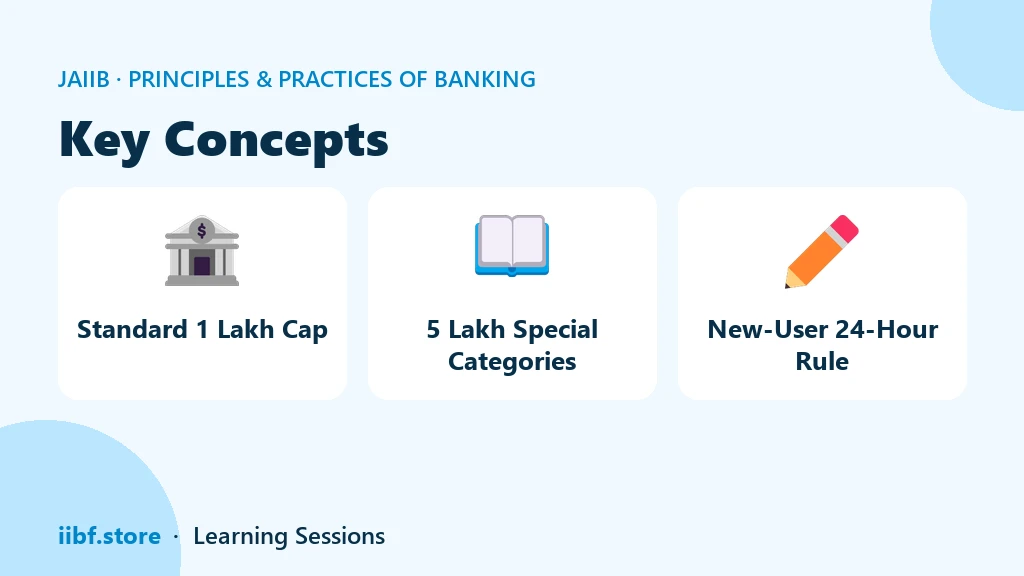
For ordinary person-to-person and everyday retail payments, the UPI transaction limit set by NPCI is ₹1,00,000 per day, applied across every UPI app linked to your bank account. Your bank may set a lower internal cap, but it cannot exceed the NPCI ceiling without a category relaxation. Most banks also cap the number of transactions at about 20 per day, and NPCI now restricts balance enquiries to 50 checks per app per day to ease network load.
Higher Category Limits in 2026
The big 2026 change is the enhanced UPI transaction limit for specific use-cases. The per-transaction cap for verified person-to-merchant (P2M) payments has been raised to ₹5 lakh, with a daily aggregate of up to ₹10 lakh. Categories such as capital markets, insurance premiums, education fees, healthcare, IPO subscriptions and government payments now qualify for this higher UPI transaction limit.
| Category | Per-Transaction Limit |
|---|---|
| Standard P2P / retail | ₹1 lakh |
| Capital markets, insurance | ₹5 lakh |
| Education & healthcare | ₹5 lakh |
| IPO & government payments | ₹5 lakh |
| Verified P2M (daily aggregate) | ₹10 lakh |
The New-User 24-Hour Rule
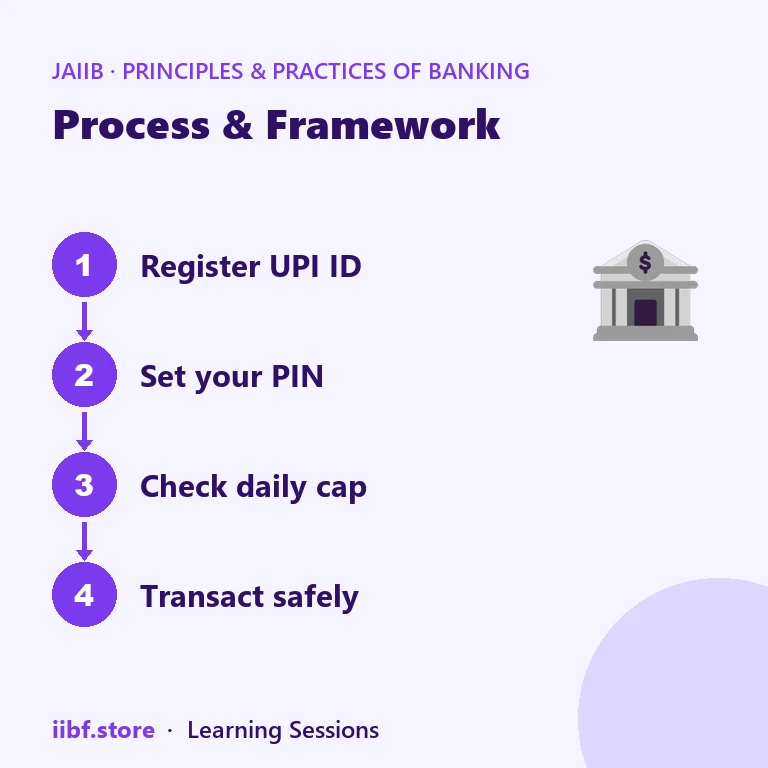
A safety feature often missed in exams: when you newly register a UPI ID or link a fresh bank account, your UPI transaction limit is throttled to just ₹5,000 for the first 24 hours. This cooling-off window curbs fraud on freshly onboarded accounts and is exactly the kind of consumer-protection detail PPB examiners like to test. After 24 hours, the standard ₹1 lakh cap applies automatically.
Why This Matters for JAIIB PPB
Payment systems is a scoring chapter, and UPI questions are almost guaranteed. Remember the three tiers, the new-user rule, and that NPCI sets the ceiling while your bank sets the actual cap within it. Test yourself in a timed JAIIB mock test, keep policy figures handy on the RBI rates page, and revise the wider syllabus in the JAIIB course. For the authoritative circular, refer to NPCI. Find more explainers on our blog.
Where UPI Sits in India's Payment Architecture
To understand the UPI transaction limit, it helps to see where UPI fits. India's retail payment rails include NEFT and RTGS (run by RBI), IMPS, and UPI — the last three operated by the National Payments Corporation of India (NPCI). UPI layers a single mobile interface over the underlying bank accounts, which is why a per-transaction and per-day UPI transaction limit exists at all: it protects both the customer and the wider system from runaway fraud. JAIIB PPB expects you to distinguish these systems — RTGS for high-value real-time gross settlement, NEFT for batch transfers, IMPS and UPI for instant retail payments.
UPI Lite and 123Pay Limits
Beyond the standard UPI transaction limit, two lightweight variants have their own caps. UPI Lite lets you make small-value payments from an on-device wallet without a PIN; it is designed for low-ticket spends and carries a small per-transaction cap and a modest wallet balance, easing the load on bank servers. UPI 123Pay serves feature-phone users without internet, using IVR and missed-call flows, and also carries its own transaction ceiling. These variants exist to widen digital-payment access, and examiners like to test whether you know that UPI Lite works offline for the payer and skips PIN entry for tiny amounts.
Practical Scenarios
Consider three quick cases. A salaried customer paying a ₹80,000 school fee is within the standard ₹1 lakh UPI transaction limit, so the payment clears. An investor subscribing ₹3 lakh to an IPO falls under the enhanced capital-markets category, so the ₹5 lakh cap applies and the payment succeeds. A customer who linked a brand-new account this morning and tries to send ₹40,000 is blocked, because the new-user rule throttles the UPI transaction limit to ₹5,000 for 24 hours. Mapping a scenario to the correct cap is the exact skill PPB numerical-style MCQs test.
Consumer Protection and Fraud Safeguards
The tiered UPI transaction limit is itself a consumer-protection tool, but it is backed by more: the daily transaction-count cap, the 24-hour cooling period on new registrations, device binding, and two-factor authentication through the UPI PIN. RBI's framework also gives customers a grievance-redress and charge-back route for unauthorised or failed transactions, with defined turnaround times for auto-reversal. For JAIIB, remember that limits, authentication and redress work together — no single control makes digital payments safe on its own.
How to Check and Raise Your UPI Limit
If a payment fails for exceeding the UPI transaction limit, the fix is usually simple. Open your UPI app, view the linked account, and check the per-transaction and daily caps your bank currently applies. Where a genuine high-value need falls in an eligible category, your bank can enable the enhanced cap after additional verification. If UPI is not the right rail, remember that RTGS handles high-value transfers without a small-ticket ceiling, while NEFT clears in batches. Knowing when to switch rails — rather than repeatedly hitting the UPI transaction limit — is practical banking knowledge that PPB rewards, and it mirrors the guidance a branch officer gives customers every day.
What is the standard UPI daily limit in 2026?
₹1,00,000 per day for ordinary retail and P2P payments, set by NPCI and applied across all UPI apps linked to your account.
Which categories get the ₹5 lakh UPI limit?
Capital markets, insurance, education, healthcare, IPO subscriptions and government payments qualify for the enhanced ₹5 lakh per-transaction cap.
Why is my UPI limit only ₹5,000 today?
Because you registered a new UPI ID or linked a new bank account. For the first 24 hours the limit is capped at ₹5,000 as an anti-fraud measure.
Can my bank set a lower limit than NPCI?
Yes. NPCI fixes the ceiling; your bank decides the actual cap within that framework, so limits can vary from one bank to another.
Prefer revising from a printed book?
Chapter-wise books with MCQs after every chapter — minimal pages, complete coverage, delivered anywhere in India. Every book has a free sample to read first.
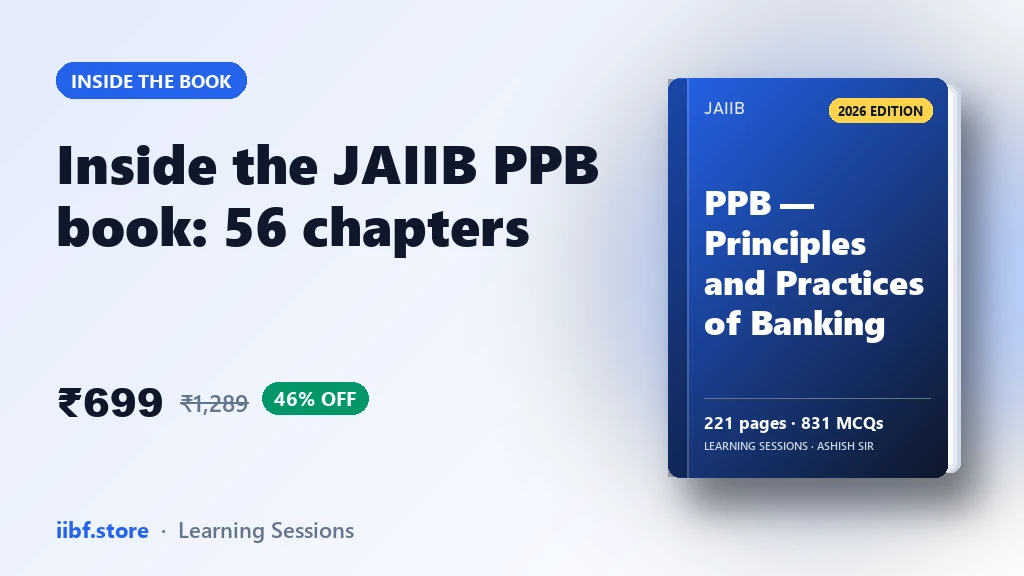
221 pages · 831 MCQs
Learning Sessions · Ashish Sir
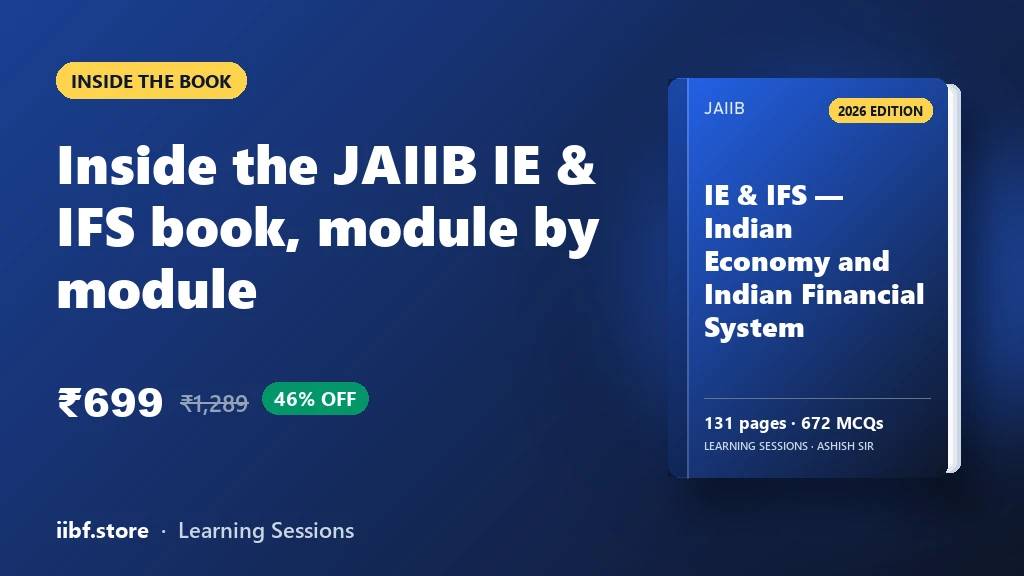
131 pages · 672 MCQs
Learning Sessions · Ashish Sir
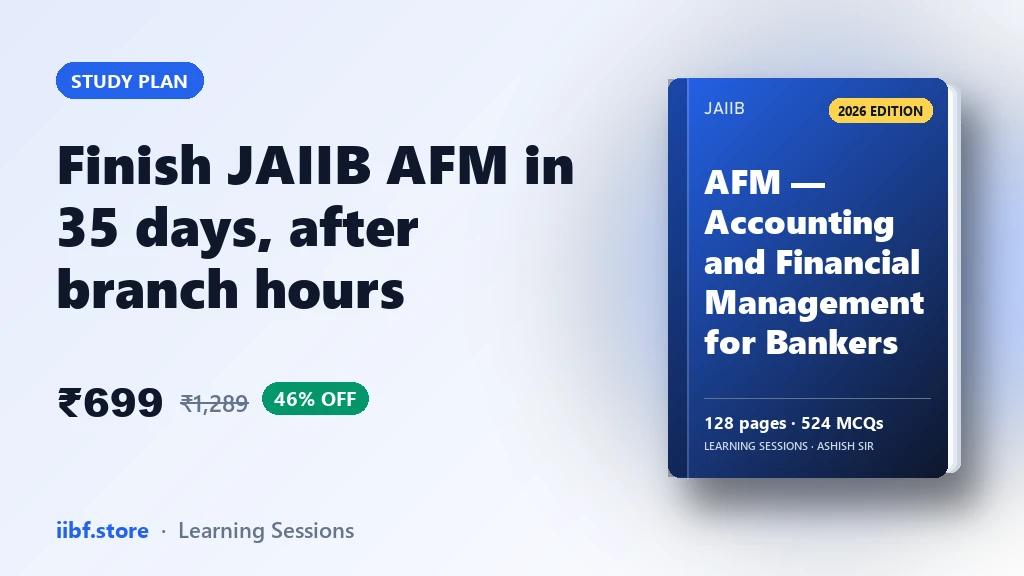
128 pages · 524 MCQs
Learning Sessions · Ashish Sir
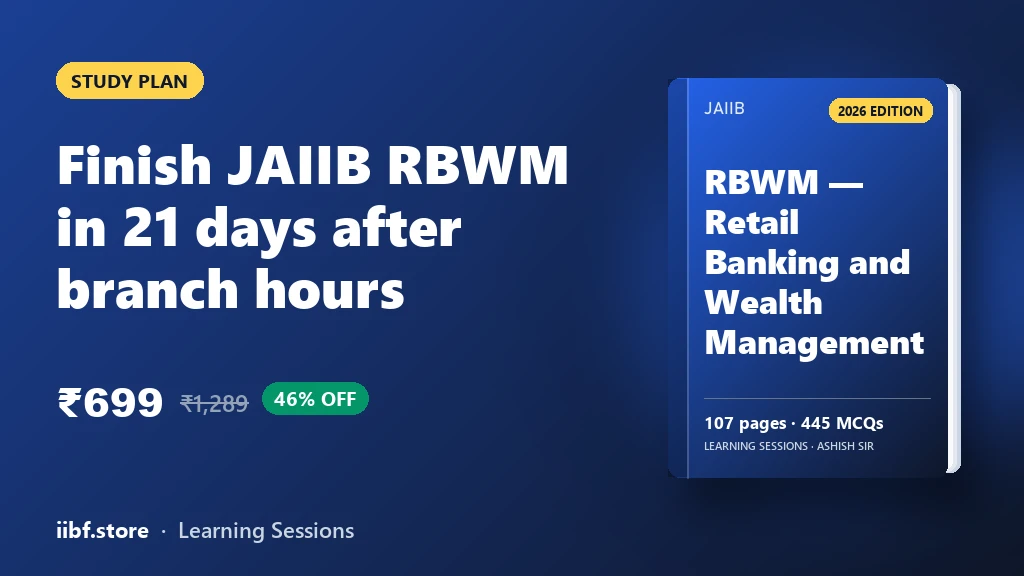
107 pages · 445 MCQs
Learning Sessions · Ashish Sir
148 pages · 478 MCQs
Learning Sessions · Ashish Sir
151 pages · 465 MCQs
Learning Sessions · Ashish Sir
148 pages · 375 MCQs
Learning Sessions · Ashish Sir
216 pages · 895 MCQs
Learning Sessions · Ashish Sir
109 pages · 300 MCQs
Learning Sessions · Ashish Sir
104 pages · 360 MCQs
Learning Sessions · Ashish Sir
82 pages · 297 MCQs
Learning Sessions · Ashish Sir
151 pages · 600 MCQs
Learning Sessions · Ashish Sir
98 pages · 282 MCQs
Learning Sessions · Ashish Sir
132 pages · 225 MCQs
Learning Sessions · Ashish Sir
188 pages · 435 MCQs
Learning Sessions · Ashish Sir
117 pages · 236 MCQs
Learning Sessions · Ashish Sir
Learning Sessions · Ashish Sir
118 pages · 299 MCQs
Learning Sessions · Ashish Sir
Learning Sessions · Ashish Sir
Learning Sessions · Ashish Sir
Learning Sessions · Ashish Sir
115 pages · 255 MCQs
Learning Sessions · Ashish Sir
Learning Sessions · Ashish Sir
334 pages · 936 MCQs
Learning Sessions · Ashish Sir
Learning Sessions · Ashish Sir
115 pages · 344 MCQs
Learning Sessions · Ashish Sir
107 pages · 240 MCQs
Learning Sessions · Ashish Sir
90 pages · 150 MCQs
Learning Sessions · Ashish Sir
Learning Sessions · Ashish Sir
Quick quiz on this topic
5 exam-style questions from our free test bank — check yourself before you move on.
Practice this topic
Take a free mock test, download chapter PDFs, or watch a video class — all included on iibf.store.