Trial Balance और Rectification of Errors: JAIIB AFM गाइड
एक trial balance जो मिल जाता है, वह केवल एक बात साबित करता है: कुल debit और कुल credit बराबर हैं। यह साबित नहीं करता कि खाते सही हैं। यही अंतर वह कारण है जिससे trial balance and rectification of errors JAIIB Accounting and Financial Management for Bankers का सबसे अधिक रिटर्न देने वाला विषय बन जाता है — परीक्षक इसे theory के रूप में, journal entry के रूप में, या "effect on profit" वाले numerical के रूप में पूछ सकता है, और तीनों उत्तर एक ही छोटे नियम-समूह से निकलते हैं।
नीचे दिए गए छह error families, suspense account की कार्यप्रणाली, और final accounts बंद होने से पहले तथा बाद के बिल्कुल अलग treatment को ध्यान से पढ़ें। हर उदाहरण बैंक शाखा पर आधारित है, क्योंकि AFM इसी तरह प्रश्न बनाता है।
🧾 Trial Balance क्या साबित करता है और क्या छिपा जाता है
Trial balance एक working statement है, financial statement नहीं। यह किसी निश्चित तिथि पर हर ledger account का closing debit या credit balance सूचीबद्ध करता है ताकि final accounts बनाने से पहले अंकगणितीय शुद्धता जाँची जा सके। बैंक में general ledger रोज़ balance किया जाता है और शाखा का trial balance उस consolidated position में जाता है जो अंततः प्रकाशित accounts बनती है।
सहमति एक कमज़ोर परीक्षण है। Trial balance तब भी मिल जाएगा जब कोई लेन-देन पूरी तरह खातों से छूट जाए, जब सही राशि उसी वर्ग के गलत खाते में post हो जाए, जब capital item को revenue मान लिया जाए, और जब दो स्वतंत्र गलतियाँ आपस में एक-दूसरे को काट दें। ये ही errors not disclosed by the trial balance हैं, और परीक्षा को यही सबसे प्रिय हैं।
इसके विपरीत, असहमति एक one-sided दोष की ओर संकेत करती है: केवल एक ओर की गई posting, किसी एक खाते में ले जाई गई गलत राशि, casting या carry-forward की चूक, या सूची से छूटा हुआ कोई balance। इस अंतर को suspense account में रख दिया जाता है ताकि कारण खोजे जाने तक काम चलता रहे।
यदि debit-credit नियमों और ledger balancing पर आपकी बुनियाद कमज़ोर लगती है, तो rectification के सवाल हल करने से पहले basic accountancy procedures चैप्टर दोहरा लें; इस विषय का लगभग हर गलत उत्तर इसी भूल से जुड़ता है कि मूल रूप से किस खाते को debit किया जाना चाहिए था।
💡 Exam Tip: जब प्रश्न कहे कि "trial balance agreed", तो आपको बताया जा रहा है कि error two-sided है। आपके उत्तर में कोई suspense account entry नहीं आ सकती।
🔍 छह Error Families और उन्हें नाम कैसे दें
वर्गीकरण आधे अंक है। family का नाम सही पहचान लीजिए और rectification entry प्रायः स्वयं लिख जाती है।
- Error of omission — लेन-देन बिल्कुल दर्ज ही नहीं हुआ (complete omission) या day book में दर्ज हुआ पर किसी एक ledger में post नहीं हुआ (partial omission)।
- Error of commission — खाते का सही वर्ग तो लिया गया पर निष्पादन गलत है: गलत राशि, गलत ग्राहक, गलत side, गलत casting।
- Error of principle — capital expenditure को revenue मान लेना या इसके विपरीत, जैसे नई शाखा के air-conditioner को Repairs and Maintenance में debit कर देना।
- Compensating errors — दो या अधिक गलतियाँ जिनका trial balance पर शुद्ध प्रभाव शून्य रहता है।
- Errors of duplication — वही voucher दो बार दर्ज हो जाना।
- Clerical casting and carry-forward errors — subsidiary book के योग गलत जोड़े जाना या अगले पृष्ठ पर गलत ले जाया जाना।
Rectification के लिए, हालाँकि, ये छह families दो कार्यकारी श्रेणियों में सिमट जाती हैं, और नीचे दी गई तालिका ही परीक्षा हॉल में ले जाने लायक है।
| Test | One-sided error | Two-sided error |
|---|---|---|
| बैंक उदाहरण | Discount allowed debit हुआ पर पार्टी को credit नहीं हुआ | ATM machine को Repairs A/c में debit किया गया |
| क्या trial balance नहीं मिलता? | हाँ, दोष की राशि के बराबर | नहीं, कुल योग फिर भी मिलते हैं |
| क्या suspense account लगता है? | ✅ हाँ, यदि trial balance बनने के बाद पकड़ में आए | ❌ कभी नहीं |
| Rectification entry | एक ledger को suspense के विरुद्ध सुधारा जाता है | दोनों प्रभावित खाते एक ही journal entry में |
| प्रायः किससे पकड़ में आता है | योगों की अंकगणितीय जाँच | Audit, heads की scrutiny, reconciliation |
Errors of principle, complete omission, duplication और compensating errors — ये सभी two-sided हैं; केवल partial postings, एक ओर की गलत राशि और casting दोष one-sided होते हैं। यही एक भेद तय करता है कि आपके उत्तर में suspense आएगा या नहीं।
🏦 बैंक की बहियों में Errors असल में कहाँ घुसते हैं
शाखा में entries vouchers से शुरू होती हैं और day book में दर्ज होती हैं, फिर general ledger तथा deposits, advances और bills के संबंधित subsidiary ledgers में जाती हैं। Core banking ने अधिकांश casting और carry-forward errors समाप्त कर दिए हैं, पर misclassification समाप्त नहीं किया, क्योंकि entry के समय general ledger head अब भी एक व्यक्ति ही चुनता है।
बार-बार होने वाली व्यावहारिक गलतियाँ काउंटर पर काम कर चुके हर व्यक्ति को परिचित लगेंगी: गलत खाता संख्या पर interest लगना, कोई charge गलत income head में वसूल होना, suspense या sundry deposit entry का अनुमत अवधि से आगे तक unadjusted पड़े रहना, और शाखा की expense limit के भीतर रहने के लिए किसी asset पर हुए व्यय को revenue head में डाल देना। इनमें से हर एक accounting error है जिसका एक supervisory पहलू भी है, इसीलिए ये inspection reports में दिखाई देती हैं।
Vouchers, day books और clearing entries सिस्टम में कैसे बढ़ते हैं, यह समझ लेने पर वर्गीकरण रटा हुआ नहीं, बल्कि स्वाभाविक लगने लगता है। back office functions चैप्टर इस प्रवाह को शुरू से अंत तक दिखाता है, और bank audit and inspection चैप्टर नियंत्रण पक्ष सामने रखता है: concurrent audit, खातों का balancing, तथा suspense और sundry accounts में बकाया entries का सत्यापन।
Errors सुधर जाने के बाद सुधरे हुए आँकड़े उन्हीं statements में चले जाते हैं जिन्हें आप पहले पढ़ चुके हैं। यदि उन statements की प्रस्तुति अब भी स्पष्ट नहीं है, तो bank balance sheet format गाइड दोबारा देखें, क्योंकि rectification का प्रश्न अक्सर यह पूछकर समाप्त होता है कि Form A या Form B की कौन-सी पंक्ति बदलेगी।
⚠ Common Mistake: हर unadjusted suspense entry को error मान लेना। Suspense में पहचान की प्रतीक्षा कर रही वास्तविक मदें भी होती हैं; error तो उन्हें बिना adjustment के पुराना पड़ने देना है।
🛠 Suspense Account: खोलना, उपयोग करना, बंद करना
Suspense account एक अस्थायी पुल है, कोई स्पष्टीकरण नहीं। जब trial balance debit side पर कम पड़ता है, तो अंतर suspense के debit में रख दिया जाता है ताकि statement मिल जाए और final accounts आगे बढ़ सकें; credit की कमी credit side में जाती है।
Rectification का कार्यकारी नियम यांत्रिक है। पूछिए कि वास्तव में क्या दर्ज हुआ, फिर क्या दर्ज होना चाहिए था, और वह entry पास कीजिए जो पहले को दूसरे में बदल दे। One-sided error में एकमात्र ledger account सुधारा जाता है और संतुलन की राशि suspense में जाती है। Two-sided error में दोनों प्रभावित खाते entry में आते हैं और suspense को कभी छुआ नहीं जाता।
एक सामान्य स्थिति लीजिए। किसी उधारकर्ता से प्राप्त Rs 900 पार्टी खाते में Rs 90 के रूप में credit हो गए। ग्राहक को Rs 810 कम credit मिला है, इसलिए entry होगी: Suspense A/c Dr 810, To Customer A/c 810। अब एक two-sided स्थिति लीजिए: Rs 40,000 की computer खरीद Repairs में debit हो गई। Entry होगी Computers A/c Dr 40,000, To Repairs A/c 40,000 — कोई suspense नहीं, क्योंकि दोनों पक्ष हमेशा बराबर ही थे।
Suspense तब बंद होता है जब हर अंतर का स्रोत खोज लिया जाए। जो balance balance sheet तक बच जाता है, उसे उसी side पर दिखाया जाता है जिस पर वह खड़ा है और उसका स्पष्टीकरण देना अनिवार्य है — यही वह बात है जिस पर auditor qualification देता है। समय भी मायने रखता है: trial balance बनने से पहले पकड़ में आया one-sided error सीधे ledger account में सुधार दिया जाता है, कोई suspense entry बिल्कुल नहीं बनती।
📉 Profit और Balance Sheet पर Rectification का प्रभाव
अच्छे उत्तर का अंतिम चरण प्रभाव बताना है। किसी nominal account को छूने वाली हर rectification रिपोर्ट किए गए profit को बदलती है; किसी real या personal account को छूने वाली हर rectification balance sheet को बदलती है।
इसे दिशा के हिसाब से निकालिए। अधिक दिखाए गए expense को सुधारने पर profit बढ़ता है। कम दिखाई गई income को सुधारने पर profit बढ़ता है। Repairs में गलत डाला गया air-conditioner पूरा expense हो गया था, इसलिए profit कम दिखा और asset balance sheet से गायब रहा; rectification profit को उतनी राशि से बढ़ाता है, अवधि के depreciation को घटाकर, और asset को वापस लाता है। इसके विपरीत, कम credit हुआ ग्राहक खाता केवल balance sheet के आँकड़े बदलता है।
Final accounts बंद हो जाने के बाद पकड़ में आए errors बंद अवधि के nominal accounts से नहीं निकाले जा सकते। उन्हें profit and loss adjustment account से गुज़ारा जाता है, जिसका शुद्ध balance capital या reserves में स्थानांतरित होता है, ताकि चालू वर्ष के revenue आँकड़े विकृत न हों।
ये विकृतियाँ परीक्षा हॉल से बाहर भी मायने रखती हैं। गलत heads सीधे उन मापों में पहुँचते हैं जिन पर credit officer भरोसा करता है — देखिए financial ratio analysis गाइड कि गलत expense head operating ratio को कैसे बिगाड़ता है, और cash flow statement for bankers गाइड कि capital को revenue बताने से operating और investing sections क्यों बदल जाते हैं जबकि cash वही रहता है। यही अनुशासन तब भी लागू होता है जब आप किसी ग्राहक के लिए portfolio management services का आकलन करते हैं।
बैंक अपने statements उन प्रारूपों में प्रस्तुत करते हैं जो Banking Regulation Act, 1949 के अंतर्गत निर्धारित हैं, RBI की disclosure अपेक्षाओं के साथ पढ़े जाकर; प्रस्तुति पर वर्तमान master directions RBI website पर प्रकाशित हैं। और अधिक AFM revision notes Accounting and Financial Management for Bankers tag hub पर संकलित हैं।
🧠 अभ्यास MCQs: Trial Balance and Rectification of Errors
Q1. शाखा के लिए खरीदी गई machine को Repairs and Maintenance Account में debit किया गया। यह है: (a) Error of omission (b) Compensating error (c) Error of principle (d) Error of duplication
Answer: (c) — Capital expenditure को revenue expenditure माना गया है, और यही error of principle की परिभाषा है।
Q2. इनमें से किससे trial balance असंतुलित नहीं होगा? (a) कोई credit purchase खातों से पूरी तरह छूट जाना (b) Sales day book का Rs 1,000 से undercast होना (c) Discount allowed केवल discount account में post होना (d) कोई ledger balance trial balance की सूची से छूट जाना
Answer: (a) — Complete omission में debit और credit दोनों अदर्ज रह जाते हैं, इसलिए कुल योग फिर भी मिल जाते हैं।
Q3. Suspense account तब खोला जाता है जब: (a) दो errors एक-दूसरे को ठीक-ठीक काट दें (b) कोई error of principle पकड़ में आए (c) कोई voucher दो बार दर्ज हो जाए (d) Trial balance न मिले और अंतर जाँच लंबित रहते हुए आगे ले जाया जाए
Answer: (d) — Suspense अस्पष्ट अंतर को रोके रखता है ताकि कारण खोजे जाने के दौरान final accounts तैयार हो सकें।
Q4. किसी ग्राहक से प्राप्त Rs 900 उसके खाते में Rs 90 के रूप में credit हुए; error trial balance बनने के बाद पकड़ में आया। Rectification entry होगी: (a) Customer A/c Dr 810, To Suspense A/c 810 (b) Suspense A/c Dr 810, To Customer A/c 810 (c) Cash A/c Dr 810, To Customer A/c 810 (d) कोई entry आवश्यक नहीं
Answer: (b) — ग्राहक को Rs 810 कम credit मिला था, इसलिए customer account credit होता है और debit को suspense सोख लेता है।
Q5. Compensating errors के बारे में कौन-सा कथन सही है? (a) वे trial balance को हमेशा असंतुलित करते हैं (b) trial balance उन्हें स्वतः पकड़ लेता है (c) वे कुल योगों में एक-दूसरे को काट देते हैं और पकड़ में आने पर भी rectification entry चाहिए (d) वे केवल personal accounts में ही हो सकते हैं
Answer: (c) — योगों पर उनका शुद्ध प्रभाव शून्य होता है, पर सुधार होने तक अलग-अलग ledger accounts गलत ही बने रहते हैं।
चैप्टर-वार mock tests 100+ MCQs के साथ चाहिए? मुफ़्त अभ्यास शुरू करें →
अक्सर पूछे जाने वाले प्रश्न
क्या trial balance मिल जाने का अर्थ है कि खाते त्रुटि-रहित हैं?
नहीं। यह केवल अंकगणितीय शुद्धता की पुष्टि करता है। Omissions, errors of principle, एक ही खाता-वर्ग के भीतर errors of commission और compensating errors — इन सबमें कुल योग मिले हुए ही रहते हैं।
Rectification में suspense account कब नहीं लगता?
जब भी error two-sided हो, और जब भी कोई one-sided error trial balance बनने से पहले पकड़ में आ जाए। दोनों ही स्थितियों में सुधार सीधे संबंधित खातों में किया जाता है।
Final accounts बंद होने के बाद मिले errors का treatment क्या है?
बंद अवधि के nominal accounts को प्रभावित करने वाली मदें profit and loss adjustment account से गुज़ारी जाती हैं, और उसका शुद्ध balance capital या reserves में स्थानांतरित कर दिया जाता है ताकि चालू अवधि विकृत न हो।
JAIIB AFM में इस विषय का कितना महत्व है?
यह accounting principles and processes मॉड्यूल में आता है और प्रायः लंबे problems के बजाय छोटे application प्रश्नों से पूछा जाता है, इसलिए सटीक वर्गीकरण और एक साफ़ journal entry अंक बटोरने के लिए पर्याप्त हैं।
🎯 अभ्यास के साथ चक्र पूरा कीजिए
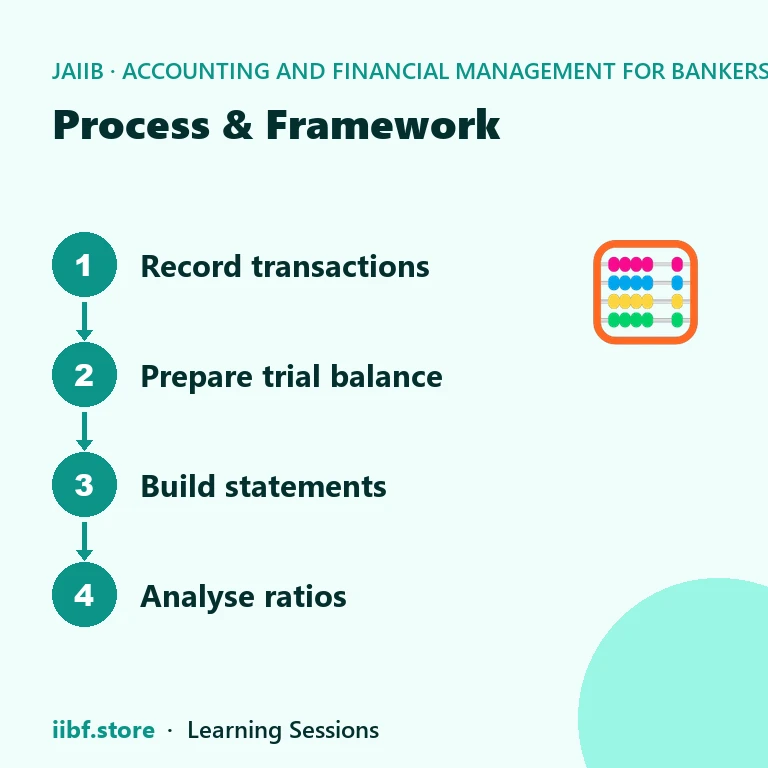
Error को वर्गीकृत कीजिए, जो किया गया उसे उसके सामने लिखिए जो किया जाना चाहिए था, तय कीजिए कि suspense शामिल है या नहीं, और profit पर प्रभाव बताइए। चार चरण, और विषय समाप्त। इसे JAIIB course में समयबद्ध प्रश्नों पर अभ्यास कीजिए और अपनी सटीकता पूरी AFM mock test series पर जाँचिए।
Prefer revising from a printed book?
Chapter-wise books with MCQs after every chapter — minimal pages, complete coverage, delivered anywhere in India. Every book has a free sample to read first.


















































Quick quiz on this topic
5 exam-style questions from our free test bank — check yourself before you move on.
Practice this topic
मुफ़्त मॉक टेस्ट दें, चैप्टर PDF डाउनलोड करें या वीडियो क्लास देखें — सब iibf.store पर मुफ़्त है।