रिटेल बैंकिंग में Car Loan Appraisal Process: JAIIB RBWM गाइड (2026)
Car loan appraisal process रिटेल बैंकिंग का वह चेकपॉइंट है जहां बैंक ग्राहक की गाड़ी खरीदने की रिक्वेस्ट को एक असेट-बैक्ड लोन में बदलता है — एक भी रुपया डिस्बर्स होने से पहले income, credit history, margin और security की जांच होती है। JAIIB Retail Banking and Wealth Management (RBWM) पेपर की तैयारी करने वालों के लिए यह सबसे ज्यादा पूछे जाने वाले real-world lending workflows में से एक है, क्योंकि इसमें credit appraisal, retail operations और secured-lending documentation एक ही केस स्टडी में साथ आते हैं। यह गाइड car loan appraisal process को step by step समझाती है, ठीक उसी तरह जैसे किसी बैंक का retail credit desk जुलाई 2026 तक इसे लागू करता है।
Car loans, home loans, personal loans और education loans के साथ retail banking product basket का हिस्सा हैं। अगर आप पहले बुनियादी concepts देखना चाहते हैं, तो इस appraisal workflow में गहराई से जाने से पहले Introduction Of Retail Banking और Retail Banking Concepts दोबारा पढ़ लें।
🚗 रिटेल बैंकिंग में Car Loan Appraisal क्यों जरूरी है
Car loan एक secured retail asset है, लेकिन इसकी security — यानी एक depreciate होने वाली, movable गाड़ी — home loan के पीछे की immovable property से बिलकुल अलग तरीके से बर्ताव करती है। यही वजह है कि appraisal स्टेप इतना महत्वपूर्ण हो जाता है। कमजोर appraisal किसी over-leveraged borrower को अंदर आने देता है, और चूंकि शुरुआती महीनों में गाड़ी की value लोन outstanding घटने से कहीं तेज गिरती है, इसलिए कोई भी early default बैंक को under-secured छोड़ देता है। एक disciplined appraisal auto loan book का net NPA कम रखकर और recovery-on-default ratio को स्वस्थ बनाए रखकर branch profitability की रक्षा करती है।
Operations की नजर से देखें तो car loan appraisal वही जगह है जहां retail banking customer service expectations से मिलती है। Dealership tie-ups का मतलब है कि ग्राहक घंटों में sanction चाहते हैं, दिनों में नहीं, इसलिए बैंक ad-hoc case-by-case judgement की बजाय standardised, rule-based scorecards बनाते हैं। यह उसी तरीके का सीधा विस्तार है जैसे branches time pressure में भी credit quality बचाते हुए customer requirements संभालती हैं। एग्जाम के लिए याद रखें कि appraisal एक अकेला चेक नहीं है — यह independent filters (eligibility, credit history, margin, valuation, documentation) की एक sequence है, जिसे फाइल को क्रम से पास करना होता है।
💡 Exam Tip: JAIIB के सवाल अक्सर यह टेस्ट करते हैं कि क्या आपको पता है कि appraisal एक multi-stage filter है, न कि एक score। अगर कोई सवाल सिर्फ "income check" को एकमात्र criterion बताए, तो उस option को incomplete मानें।
📋 Car Loan Appraisal Process के मुख्य Steps
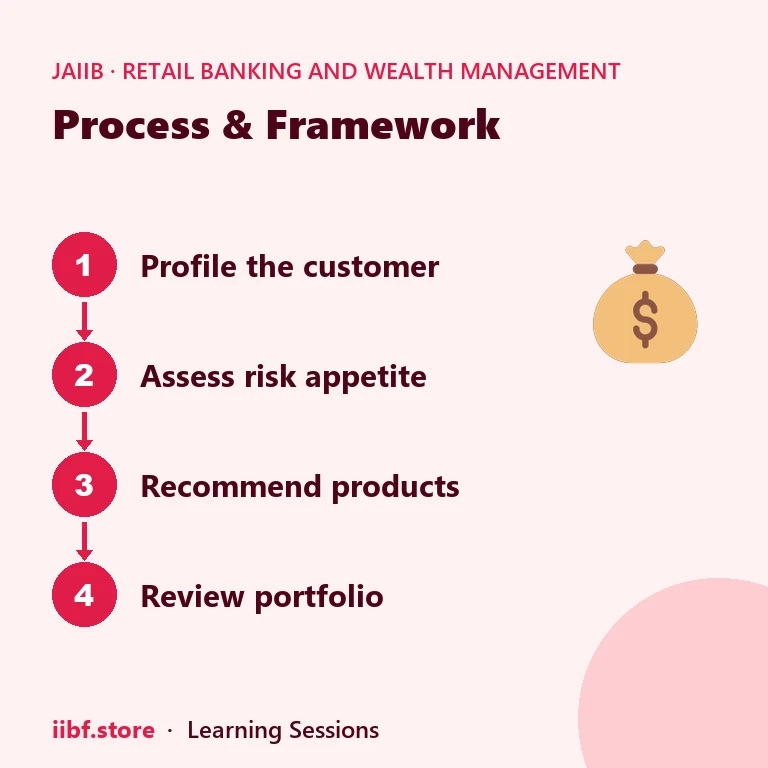
ज्यादातर Indian retail lenders में car loan appraisal process एक व्यापक रूप से common sequence में चलती है, भले ही exact thresholds बैंक-दर-बैंक अलग हों:
- Application और KYC: identity, address और PAN verification, साथ ही loan application form और डीलर की vehicle quotation।
- Eligibility और income assessment: salaried applicants को net take-home salary पर आंका जाता है; self-employed और business applicants को income-tax returns, GST filings और bank statement turnover पर।
- Credit bureau check: CIBIL या equivalent bureau score और repayment history पुल, साथ ही existing overdue accounts की जांच।
- Fixed Obligation to Income Ratio (FOIR) / Debt-Burden Ratio: proposed car EMI सहित सभी existing EMIs को monthly income के मुकाबले तोला जाता है।
- Margin और Loan-to-Value (LTV) fixation: borrower के down payment share और गाड़ी की कीमत के मुकाबले maximum loan amount।
- Vehicle valuation: नई गाड़ी के लिए invoice price; पुरानी गाड़ी के लिए बैंक-empanelled valuer की depreciated value।
- Sanction, documentation और hypothecation: loan agreement, बैंक के पक्ष में गाड़ी का hypothecation, और insurance assignment।
- Disbursement: आमतौर पर registration और insurance की पुष्टि होने पर सीधे डीलर को दिया जाता है, borrower को नहीं।
इनमें से हर स्टेप के अपने rejection triggers हैं — एक कमजोर bureau score income सही दिखने पर भी फाइल रोक सकता है, और एक ऊंचा FOIR clean credit history के बावजूद loan amount को cap कर सकता है।
📊 Income Assessment, Margin और LTV Norms
दो नंबर तय करते हैं कि बैंक असल में कितना लोन देगा: margin (borrower का अपना contribution) और Loan-to-Value ratio (गाड़ी की assessed value के percentage के रूप में loan amount)। ये किसी एक all-India rule से तय नहीं होते — हर बैंक की retail lending policy अपने slabs तय करती है — लेकिन इनके पीछे की appraisal logic JAIIB में लगातार टेस्ट होती है। नई गाड़ियों पर आमतौर पर margin requirement कम होती है क्योंकि पहले साल में resale value invoice price के करीब बनी रहती है, जबकि used cars पर ज्यादा margin चाहिए होता है क्योंकि depreciation पहले ही resale value खा चुका होता है और repossession पर shortfall का risk बड़ा होता है।
नीचे दी गई table बताती है कि appraisal नई versus used/pre-owned car loans को कैसे अलग-अलग तरीके से ट्रीट करता है।
| Appraisal Parameter | New Car Loan | Used/Pre-Owned Car Loan |
|---|---|---|
| Typical margin (down payment) | कम, क्योंकि resale value invoice price के करीब रहती है | ज्यादा, तेज depreciation को offset करने के लिए |
| Tenure appraisal | लंबी tenure आमतौर पर sanction-friendly | छोटी tenure, गाड़ी की बची हुई useful life तक capped |
| Valuation basis | Ex-showroom/on-road invoice price | Approved valuer की depreciated value, विक्रेता की asking price नहीं |
| Loan sanctioned on full invoice value | ✅ हां, margin requirement के अधीन | ❌ नहीं — appraised market value तक capped, invoice या asking price तक नहीं |
| Comprehensive insurance required before disbursement | ✅ हां | ✅ हां |
⚠️ Watch Out: एक common exam trap यह मान लेना है कि LTV और margin एक ही चीज को दो तरीकों से कहा गया है। Margin वह है जो customer चुकाता है; LTV वह है जो बैंक appraised value के percentage के रूप में finance करता है — दोनों मिलकर हमेशा गाड़ी की assessed value के बराबर होने चाहिए, used car के मामले में invoice value के नहीं।
📝 Documentation, CIBIL और Sanction Conditions
Appraisal तभी sanction में बदलता है जब paper trail पूरी हो। Standard documentation में loan application, KYC (PAN, Aadhaar-linked address proof), latest salary slips या IT returns, पिछले महीनों के bank statements, डीलर का proforma invoice या used-car sale agreement, और एक signed hypothecation form शामिल है। Self-employed applicants के लिए, GST returns और audited financials salary slips की जगह लेते हैं, और appraisal आमतौर पर bank statement turnover और existing loans पर repayment track record पर ज्यादा भरोसा करता है।
Credit bureau score एकमात्र decision factor नहीं बल्कि एक gatekeeper है: बहुत कम score income अच्छी होने के बावजूद outright decline करा सकता है, जबकि strong score policy limits के भीतर कभी-कभी थोड़ा ऊंचा LTV सपोर्ट कर सकता है। Sanction होने के बाद, गाड़ी के Registration Certificate (RC) पर बैंक का hypothecation charge दर्ज किया जाता है, और insurance policy में बैंक को loss payee बनाया जाता है। यही hypothecation बैंक को लोन delinquent होने पर गाड़ी repossess करके बेचने की ताकत देता है, इसलिए appraisal की quality ही बाद में तय करती है कि वह recovery process कितनी "clean" रहेगी। कई lenders अब इस workflow का बड़ा हिस्सा app-based और API-linked appraisal tools से चलाते हैं, जिसकी विस्तृत चर्चा रिटेल बैंकिंग में digital lending वाली गाइड में है।
📌 Remember: भारत में retail secured-asset lending का तेज विस्तार अर्थव्यवस्था खुलने के बाद ही हुआ; 1991 economic reforms in India से जुड़ा policy shift ही वह credit infrastructure लेकर आया जिस पर आज retail auto finance टिका है।
Car loan appraisal की तुलना उन दूसरे secured retail products की appraisal से करना भी उपयोगी है जिन्हें आप पहले पढ़ चुके होंगे, जैसे gold loan vs loan against securities में इस्तेमाल होने वाली process — collateral type बदल जाता है, लेकिन margin, valuation और documentation का discipline structurally एक जैसा रहता है। अगर applicant गाड़ी की बजाय पढ़ाई के लिए फाइनेंस ढूंढ रहा है, तो appraisal logic अलग से education loan schemes के तहत कवर किया गया है।
🧠 Practice MCQs: Car Loan Appraisal Process
Q1. Car loan appraisal process में, applicant का Fixed Obligation to Income Ratio (FOIR) आंकने का मुख्य purpose क्या है? (a) सिर्फ loan tenure तय करना (b) यह पक्का करना कि existing और proposed EMI obligations income के मुकाबले बैंक की तय limit के भीतर रहें (c) road tax की गणना करना (d) insurance premium तय करना
Answer: (b) - FOIR यह चेक करता है कि नई car EMI सहित कुल EMI outgo income के मुकाबले affordable रहे या नहीं।
Q2. नई car loan के लिए, बैंक borrower से minimum margin (down payment) आमतौर पर मुख्य रूप से क्यों मांगते हैं: (a) बैंक की fee income बढ़ाने के लिए (b) effective LTV घटाने और depreciation-linked resale risk से बैंक को कुशन देने के लिए (c) RTO registration rules का पालन करने के लिए (d) गाड़ी पर GST से बचने के लिए
Answer: (b) - Margin asset की value के मुकाबले financed amount को घटाता है, जिससे अगर गाड़ी repossess करके बेचनी पड़े तो बैंक सुरक्षित रहता है।
Q3. निम्नलिखित में से कौन-सा car loan applicant के credit appraisal का आमतौर पर हिस्सा नहीं होता? (a) Credit bureau score check (b) Income और repayment capacity assessment (c) Applicant के academic transcripts का verification (d) KYC और residence/office stability verification
Answer: (c) - Academic transcripts एक standard appraisal input नहीं हैं; income, credit history और KYC ही इसमें शामिल हैं।
Q4. Car loan में, गाड़ी को security के तौर पर आमतौर पर किस तरह रखा जाता है: (a) Equitable mortgage (b) बैंक के पक्ष में गाड़ी का hypothecation, जो RC पर दर्ज होता है (c) सिर्फ registration certificate का pledge (d) सिर्फ borrower के salary account पर lien
Answer: (b) - गाड़ी बैंक के पास hypothecated होती है, और यह charge Registration Certificate पर दर्ज किया जाता है।
Q5. अगर किसी car loan applicant की पहले से ही high-value personal loan EMI चल रही है, तो appraisal process सबसे ज्यादा संभावना में क्या करेगी: (a) चूंकि यह unsecured है, इसे नजरअंदाज करेगी (b) इसे FOIR/debt-burden calculation में शामिल करेगी, जिससे eligible loan amount घट सकता है (c) application को automatically reject कर देगी (d) personal loan को car loan में convert कर देगी
Answer: (b) - सभी existing obligations, चाहे secured हों या unsecured, उस debt-burden check में जुड़ते हैं जो eligible loan amount को cap करता है।
Chapter-wise mock tests चाहिए 100+ MCQs के साथ? फ्री प्रैक्टिस शुरू करें
रिटेल बैंकिंग में car loan appraisal process क्या है?
यह वह sequence है जिसे बैंक car loan applicant का मूल्यांकन करने के लिए फॉलो करता है — KYC, income और eligibility check, credit bureau score, FOIR/debt-burden calculation, margin और LTV fixation, vehicle valuation, और अंत में hypothecation documentation के साथ sanction — लोन disburse होने से पहले।
Car loan appraisal के लिए कौन-से documents चाहिए?
आमतौर पर application form, KYC documents, latest salary slips या income-tax returns और bank statements, डीलर का proforma invoice या used-car sale agreement, और एक signed hypothecation form। Self-employed applicants GST returns और audited financials भी जमा करते हैं।
Car loan में margin और LTV में क्या फर्क है?
Margin गाड़ी की कीमत का वह हिस्सा है जो borrower अपने फंड से पहले चुकाता है। Loan-to-Value (LTV) गाड़ी की appraised value का वह percentage है जो बैंक finance करता है। Margin और LTV मिलकर पूरी appraised value के बराबर होने चाहिए।
Car loan appraisal में CIBIL score क्यों महत्वपूर्ण है?
Credit bureau score applicant की existing loans और cards पर repayment history दर्शाता है। एक कमजोर score income पर्याप्त दिखने पर भी decline या घटे हुए loan amount का कारण बन सकता है, जबकि एक strong score बैंक की policy के भीतर ज्यादा favourable LTV को सपोर्ट कर सकता है।
Car loan appraisal process retail credit discipline की एक compact लेकिन complete केस स्टडी है — income checks, bureau checks, margin, valuation और hypothecation, यह सब एक same-day sanction window के भीतर लागू होता है। और अधिक foundational context के लिए, Retail Banking Role Within The Bank Operations देखें, और Retail Banking and Wealth Management blog tag पर और RBWM topics ब्राउज़ करें। खुद को टेस्ट करने के लिए तैयार हैं? JAIIB course में enrol करें या सीधे chapter-wise mock tests पर जाकर इसी topic को exam conditions में प्रैक्टिस करें।
Prefer revising from a printed book?
Chapter-wise books with MCQs after every chapter — minimal pages, complete coverage, delivered anywhere in India. Every book has a free sample to read first.
107 pages · 445 MCQs
Learning Sessions · Ashish Sir
131 pages · 672 MCQs
Learning Sessions · Ashish Sir
221 pages · 831 MCQs
Learning Sessions · Ashish Sir
128 pages · 524 MCQs
Learning Sessions · Ashish Sir
148 pages · 478 MCQs
Learning Sessions · Ashish Sir
151 pages · 465 MCQs
Learning Sessions · Ashish Sir
148 pages · 375 MCQs
Learning Sessions · Ashish Sir
216 pages · 895 MCQs
Learning Sessions · Ashish Sir
109 pages · 300 MCQs
Learning Sessions · Ashish Sir
104 pages · 360 MCQs
Learning Sessions · Ashish Sir
82 pages · 297 MCQs
Learning Sessions · Ashish Sir
151 pages · 600 MCQs
Learning Sessions · Ashish Sir
98 pages · 282 MCQs
Learning Sessions · Ashish Sir
132 pages · 225 MCQs
Learning Sessions · Ashish Sir
188 pages · 435 MCQs
Learning Sessions · Ashish Sir
117 pages · 236 MCQs
Learning Sessions · Ashish Sir
Learning Sessions · Ashish Sir
118 pages · 299 MCQs
Learning Sessions · Ashish Sir
Learning Sessions · Ashish Sir
Learning Sessions · Ashish Sir
Learning Sessions · Ashish Sir
115 pages · 255 MCQs
Learning Sessions · Ashish Sir
Learning Sessions · Ashish Sir
334 pages · 936 MCQs
Learning Sessions · Ashish Sir
Learning Sessions · Ashish Sir
115 pages · 344 MCQs
Learning Sessions · Ashish Sir
107 pages · 240 MCQs
Learning Sessions · Ashish Sir
90 pages · 150 MCQs
Learning Sessions · Ashish Sir
Learning Sessions · Ashish Sir
Quick quiz on this topic
5 exam-style questions from our free test bank — check yourself before you move on.
Practice this topic
मुफ़्त मॉक टेस्ट दें, चैप्टर PDF डाउनलोड करें या वीडियो क्लास देखें — सब iibf.store पर मुफ़्त है।