JAIIB CAIIB Attempts: 5 Chances, 3 Years and What They Cost
"Should I clear it in one attempt or take five?" is the question in the reel below, and it is the wrong question — but for an interesting reason. You do not get five independent tries. Your JAIIB CAIIB attempts run against a three-year clock that starts the day you register, and whichever limit expires first ends the run. Understanding that one rule changes how you plan the whole year.
Jaiib caiib exam attempt 1 or 5 strategy · Watch on YouTube
Everything below comes from the Rules & Syllabus documents that IIBF publishes for 2026. No coaching folklore, no numbers picked off a forum — just the rules as written, and what they mean when you sit down to plan.
The rule in one paragraph
A candidate is given five attempts to complete the examination, but within a maximum period of three years, whichever comes earlier, counted from the date of registration for the first attempt. Attempts are counted when you apply — not when you appear. Skip the exam after paying, and the attempt is still gone. Because the Institute conducts the examination half-yearly, three years covers roughly six sittings, so you normally get to choose five of six. Exhaust five before three years are over, or let three years pass with attempts to spare, and you must re-enrol afresh, losing every subject credit earned so far.
That last sentence deserves a second reading. Credits for subjects already passed are held only until the time limit expires. They are not permanent. A candidate who clears three of four papers and then drifts for three years does not restart from one paper — they restart from zero, at the first-attempt fee.
Passing criteria, and the second door most people forget
The headline rule is fifty marks out of a hundred in each subject. There is a second route: a candidate securing at least 45 marks in each subject with an aggregate of 50% across all subjects of the examination in a single attempt is also declared to have completed the examination. The phrase "in a single attempt" is doing heavy lifting. You cannot assemble 45s across different sittings and claim the aggregate. It rewards the candidate who writes all papers together and is strong somewhere and merely adequate elsewhere.
Two more mechanics matter. There is no negative marking, so an unanswered question is strictly worse than a guess. And the Institute treats your first physical appearance at the examination as the first attempt for the purpose of awarding class — relevant if you care about the distinction on your certificate.
What the attempts actually cost
Fees escalate in a very specific shape: a high entry fee, then a flat reattempt fee. This is the arithmetic behind the reel's question.
| Attempt | JAIIB fee | CAIIB fee |
|---|---|---|
| First attempt | ₹4,000 | ₹5,000 |
| Second attempt | ₹1,300 | ₹1,300 |
| Third attempt | ₹1,300 | ₹1,300 |
| Fourth attempt | ₹1,300 | ₹1,300 |
| Fifth attempt | ₹1,300 | ₹1,300 |
| All five used | ₹9,200 | ₹10,200 |
Convenience charges and applicable taxes sit on top of every figure. There is also a registration-window surcharge that quietly punishes procrastination: register in the first week and you pay the regular fee; the second and third weeks add ₹100; the fourth week and any extension add ₹200. Fees once paid are not refunded or adjusted.
So the honest cost comparison is this. Clearing JAIIB in one go costs ₹4,000. Clearing it on the fourth try costs ₹7,900 — plus three more half-year cycles of your life, plus the risk that the three-year window closes while credits are still outstanding. The money is the smallest part of the loss.
How to plan your attempts like a banker, not a gambler
Treat the five as a portfolio, not a safety net. A practical sequence for people working full branch hours:
- Attempt one — go for all papers. The 45-with-50%-aggregate door only opens when every subject is written in one sitting. Writing three papers "seriously" and one "for experience" closes it.
- Attempt two — clear the remainder immediately. Credits are safest when the gap is short, and the syllabus is still warm.
- Keep attempts three to five as genuine reserve. Reserve capacity you never plan to use is what makes the plan robust.
- Diarise the three-year date. Write the expiry on the same page as your target scores. Candidates lose credits to the calendar far more often than to the paper.
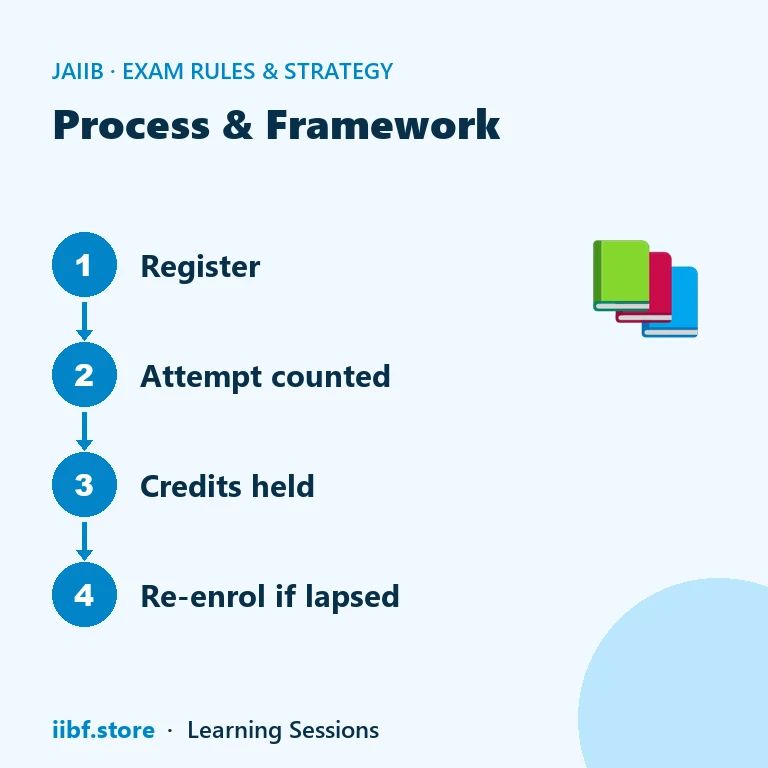
The strategy question in the reel therefore answers itself. Plan as though you have one attempt, and hold the other four as insurance you would rather not claim. Build the plan on the JAIIB course or the CAIIB course, pressure-test it with full-length mock tests, and schedule the revision blocks in the planner. Always confirm dates, fees and rules against the current Rules & Syllabus PDF on the IIBF website before you register, since the Institute revises them periodically.
Two candidates, same syllabus, different clocks
Consider two officers who register in the same cycle. The first writes all four papers at the first sitting, clears three, and returns six months later to finish the fourth. Two of their five JAIIB CAIIB attempts are spent, credits are intact, and the three-year window has barely opened. Total outlay: ₹5,300 plus charges.
The second registers, then withdraws twice because work got busy, writes seriously only at the third sitting, clears two papers, and lets a year pass. Three JAIIB CAIIB attempts are gone without a full clearance, two remain, and roughly eighteen months of the window are left. The syllabus is now cold, the fee counter has already crossed ₹6,600, and any further slippage risks losing both credits to the calendar.
Neither candidate is less capable. The difference lies entirely in how the attempts were spent, which is why the sequencing decision deserves as much thought as the study plan itself. Treat every registration as a commitment to appear, and the arithmetic stays comfortable across the whole three years.
Frequently asked questions
Do the five attempts have to be consecutive?
No. The Institute states the five attempts need not be consecutive. The binding constraint is the three-year period from the date of registration for the first attempt, or five attempts, whichever comes earlier.
Does an attempt count if I register but do not appear?
Yes. Attempts are counted when you apply for the examination, irrespective of whether you actually appear. Candidates debarred for unfair means also have attempts counted during the debarment period.
What happens to subjects I have already passed if the time limit expires?
They are lost. Candidates who cannot complete within three years or five attempts must re-enrol afresh, and no credit is granted for subjects passed earlier.
Can I combine 45s from different attempts to reach the 50% aggregate?
No. The relaxation requires at least 45 marks in each subject together with a 50% aggregate across all subjects in a single attempt. Otherwise the ordinary rule of 50 out of 100 per subject applies.
Prefer revising from a printed book?
Chapter-wise books with MCQs after every chapter — minimal pages, complete coverage, delivered anywhere in India. Every book has a free sample to read first.
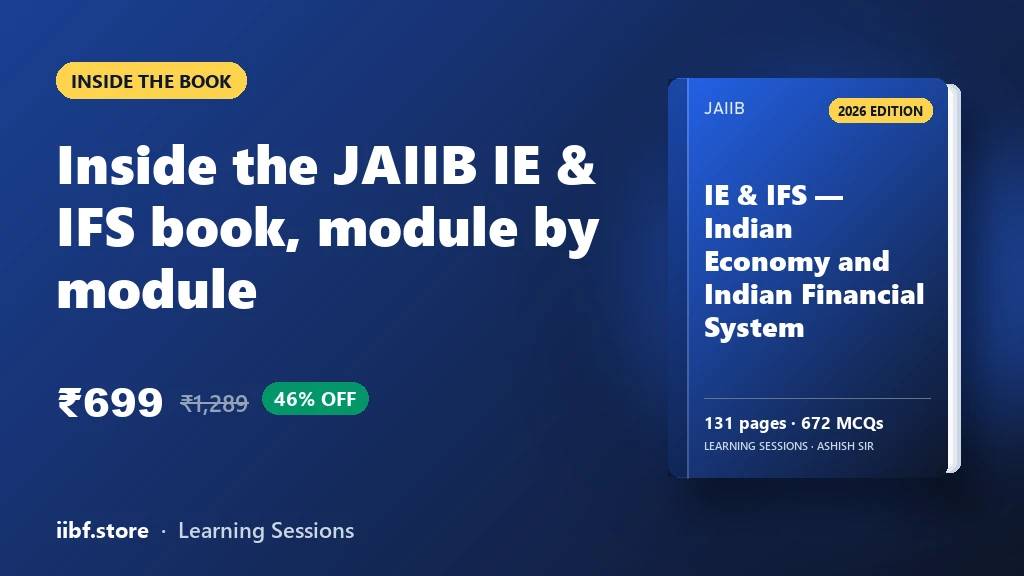
131 pages · 672 MCQs
Learning Sessions · Ashish Sir
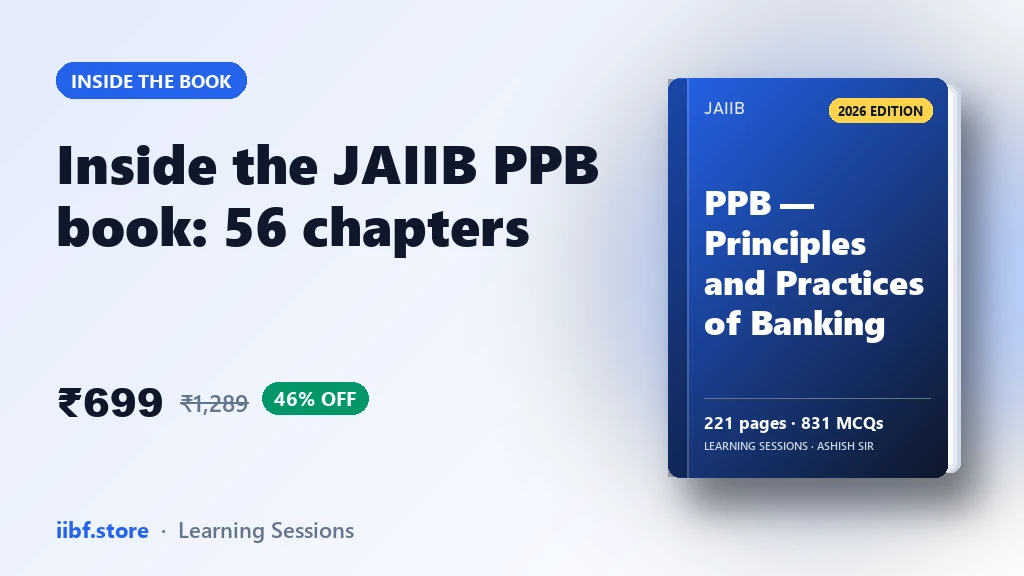
221 pages · 831 MCQs
Learning Sessions · Ashish Sir
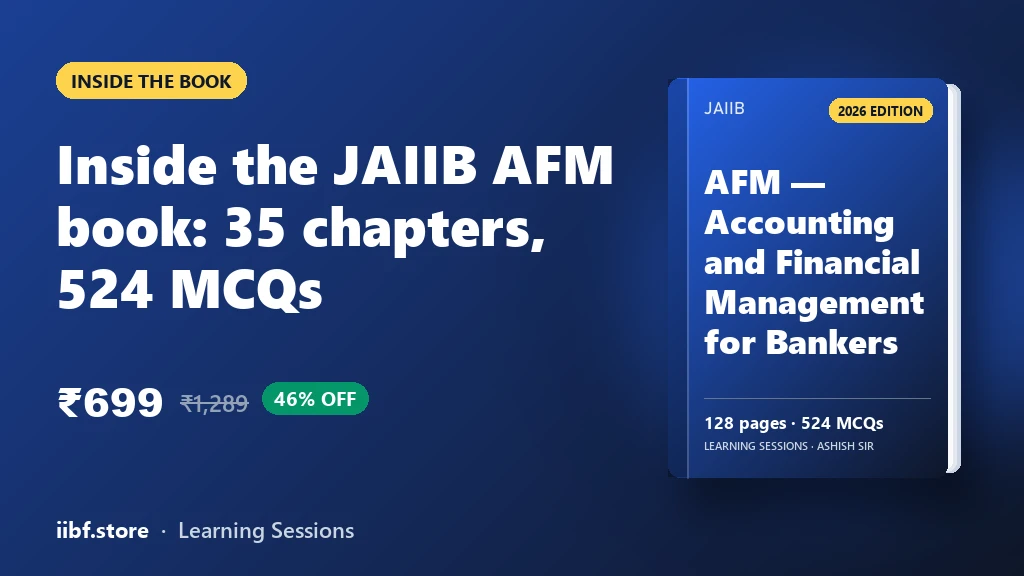
128 pages · 524 MCQs
Learning Sessions · Ashish Sir
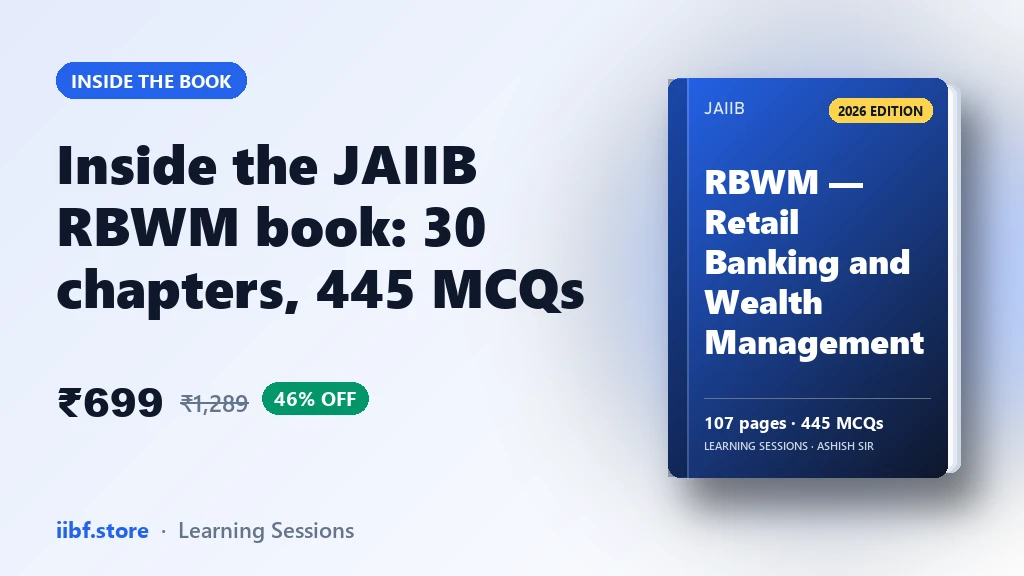
107 pages · 445 MCQs
Learning Sessions · Ashish Sir
148 pages · 478 MCQs
Learning Sessions · Ashish Sir
151 pages · 465 MCQs
Learning Sessions · Ashish Sir
148 pages · 375 MCQs
Learning Sessions · Ashish Sir
216 pages · 895 MCQs
Learning Sessions · Ashish Sir
109 pages · 300 MCQs
Learning Sessions · Ashish Sir
104 pages · 360 MCQs
Learning Sessions · Ashish Sir
82 pages · 297 MCQs
Learning Sessions · Ashish Sir
151 pages · 600 MCQs
Learning Sessions · Ashish Sir
98 pages · 282 MCQs
Learning Sessions · Ashish Sir
132 pages · 225 MCQs
Learning Sessions · Ashish Sir
188 pages · 435 MCQs
Learning Sessions · Ashish Sir
117 pages · 236 MCQs
Learning Sessions · Ashish Sir
Learning Sessions · Ashish Sir
118 pages · 299 MCQs
Learning Sessions · Ashish Sir
Learning Sessions · Ashish Sir
Learning Sessions · Ashish Sir
Learning Sessions · Ashish Sir
115 pages · 255 MCQs
Learning Sessions · Ashish Sir
Learning Sessions · Ashish Sir
334 pages · 936 MCQs
Learning Sessions · Ashish Sir
Learning Sessions · Ashish Sir
115 pages · 344 MCQs
Learning Sessions · Ashish Sir
107 pages · 240 MCQs
Learning Sessions · Ashish Sir
90 pages · 150 MCQs
Learning Sessions · Ashish Sir
Learning Sessions · Ashish Sir
Quick quiz on this topic
5 exam-style questions from our free test bank — check yourself before you move on.
Practice this topic
Take a free mock test, download chapter PDFs, or watch a video class — all included on iibf.store.