CAIIB Elective कैसे चुनें — अपनी Branch Posting के हिसाब से सही Paper का Decision Framework
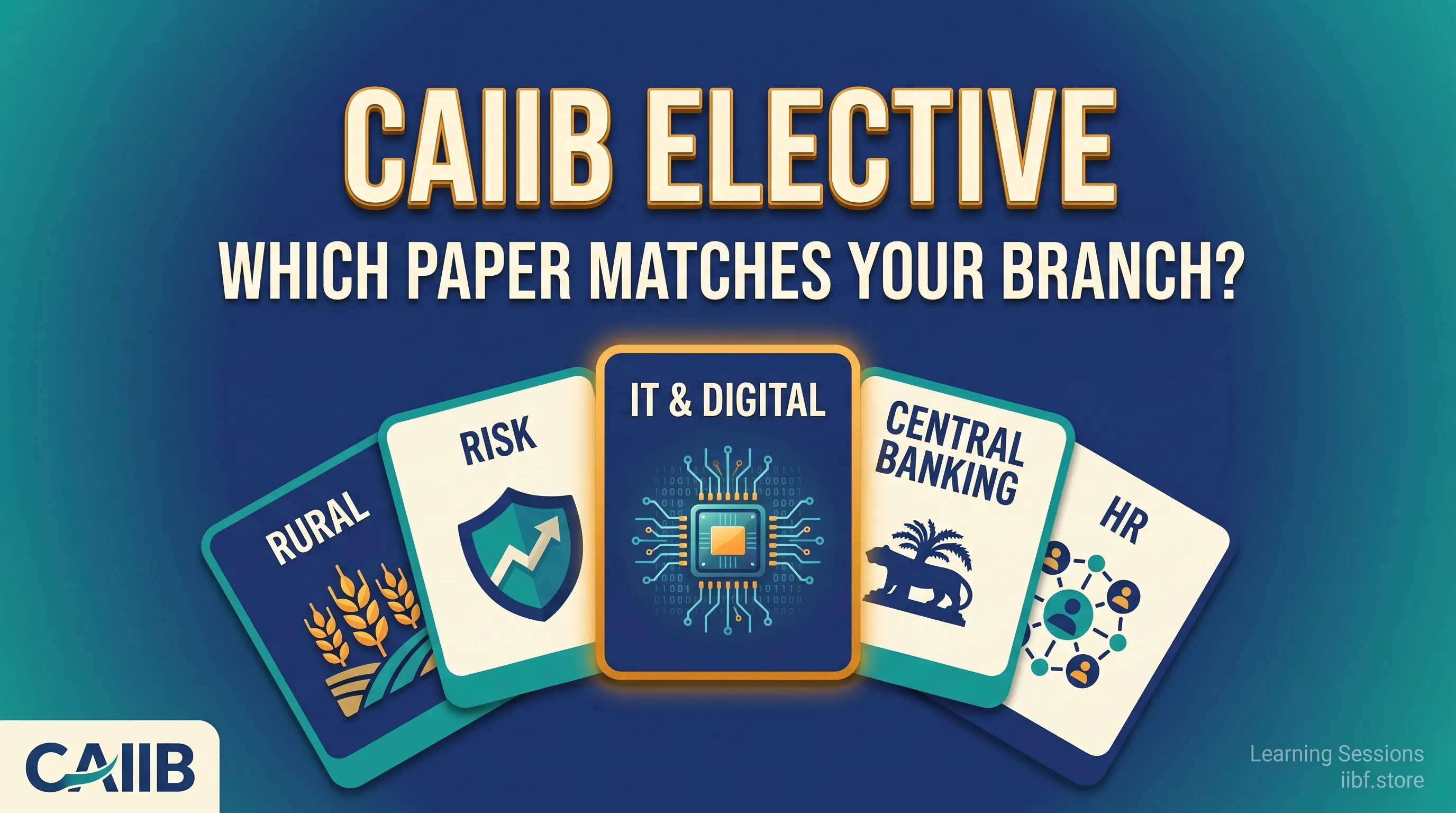
CAIIB के तीन compulsory paper — ABM, BFM और ABFM — सबके लिए same हैं। असली confusion चौथे paper यानी elective पर आती है। IIBF आपको 5 options देता है: Rural Banking, Information Technology & Digital Banking, Risk Management, Central Banking, और Human Resource Management। ज्यादातर candidate यहाँ mood से decide कर लेते हैं — कोई colleague ने जो बोला, या जो paper आसान लगा। ये सबसे बड़ी गलती है।
सही elective वो है जो आपकी current branch posting और अगले 3-5 साल के career trajectory से match करता हो। नीचे एक practical decision framework है जो हम पिछले कई साल से working banker को suggest कर रहे हैं।
Posting-Based Matching — सीधी बात
नियम simple है: जिस area में आप रोज काम कर रहे हैं, उसी का elective लीजिए। Reason — syllabus का 40-50% material आपको already पता होगा, और बचा हुआ हिस्सा भी relatable लगेगा।
- Rural / Semi-urban branch posting → Rural Banking। अगर आप PSL targets, KCC, SHG linkage, MUDRA, PMEGP और CGTMSE पर daily काम करते हैं, तो ये paper आपके लिए almost free है। Agri loan officer के लिए तो no-brainer।
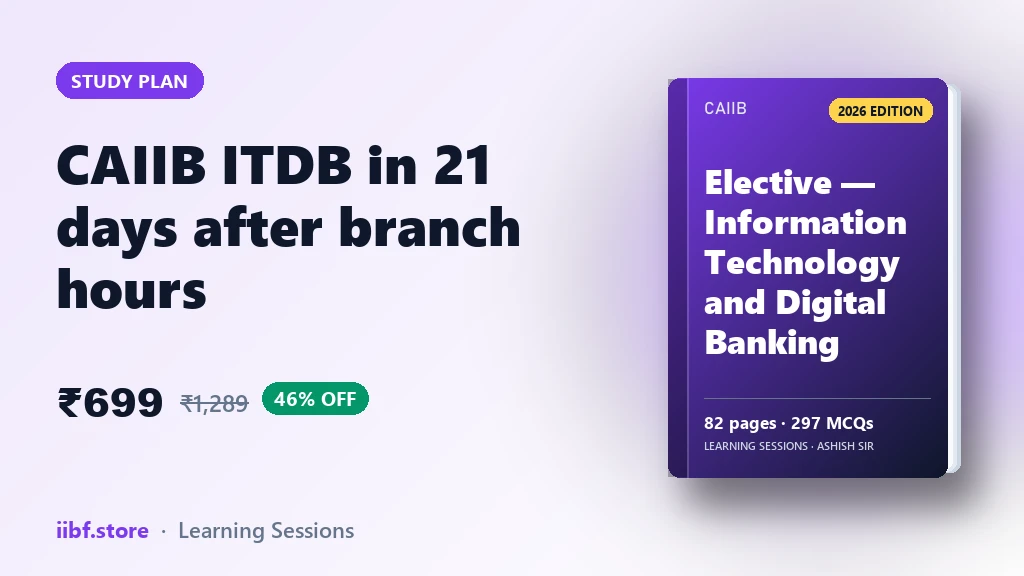
- Card Centre / Digital Channel / Tech Cell → IT & Digital Banking। UPI, IMPS, NEFT/RTGS architecture, cyber security, BCP-DRP, payment system — ये सब अगर आपका रोज का काम है, तो यही उठाइए। Branch banking वालों के लिए ये paper थोड़ा dry लग सकता है।
- Treasury / Credit Department / Mid-corporate → Risk Management। VaR, Duration Gap, Basel III, RWA, credit risk modelling — अगर आप sanction notes बनाते हैं या treasury desk पर हैं, तो ये content आपके kaam का है।
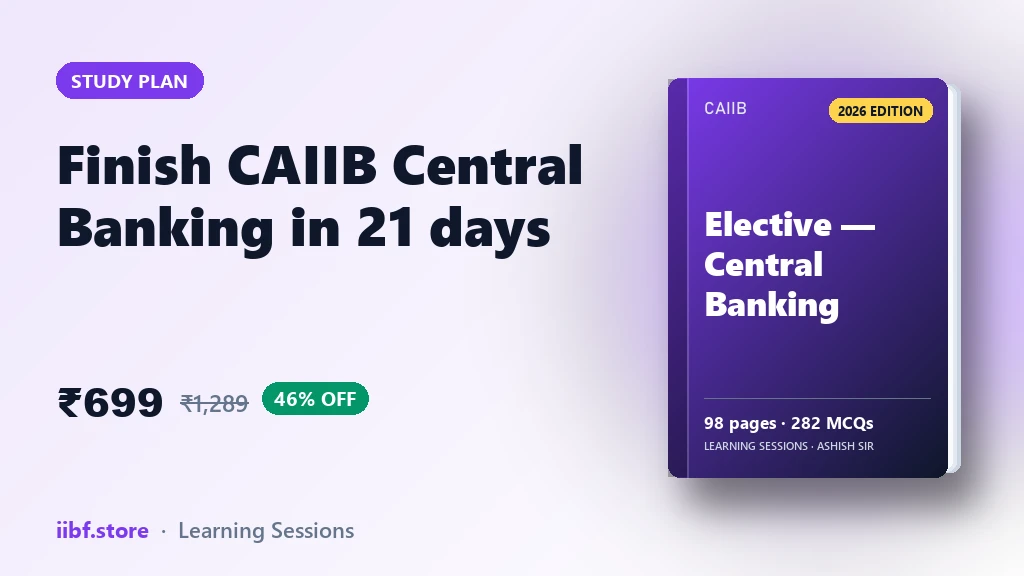
- Economic Research / RBI-facing / Inspection Department → Central Banking। MPC, Monetary Policy framework, RBI structure, regulatory reporting — ये paper थोड़ा theoretical है, पर अगर आपकी posting RBI returns या policy work से जुड़ी है, तो match perfect है।
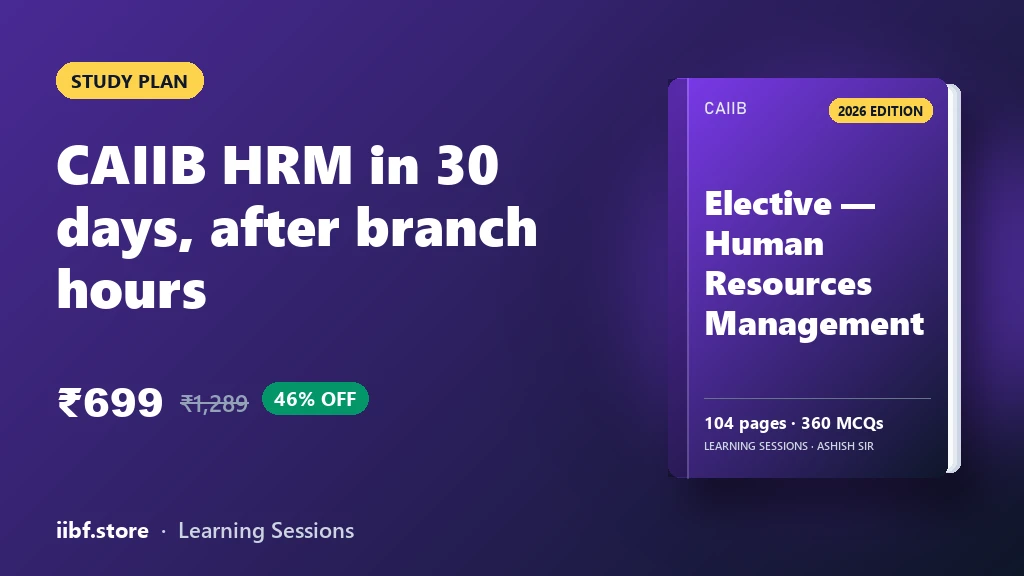
- HR Department / Training College / L&D → HR Management। Performance management, Labour Laws, training need analysis — सबसे scoring paper माना जाता है, पर सिर्फ तब जब आप genuinely HR background में हों।
Non-Specialist के लिए Smart Default: Risk Management
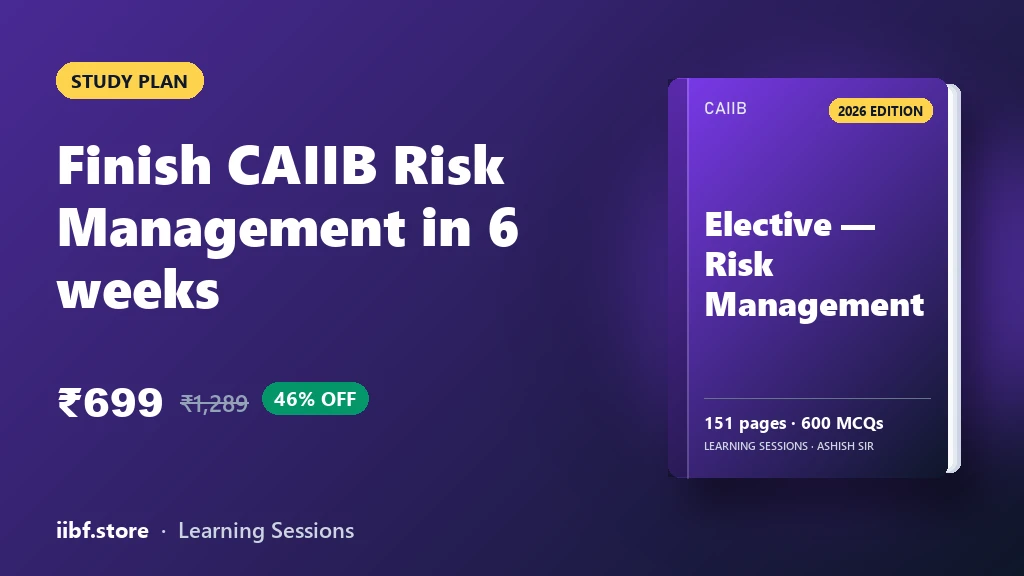
अगर आपकी posting ऐसी है जो ऊपर किसी category में fit नहीं हो रही — मान लीजिए आप generalist branch officer हैं, या abhi-abhi PO/Clerk से promote हुए हैं — तो हम Risk Management recommend करते हैं। कारण साफ है:
- BFM overlap: BFM का Module B (Risk Management) और Module C (Treasury) का एक बड़ा हिस्सा Risk Management elective में फिर से आता है। एक बार BFM पढ़ा तो elective का 30-35% revision हो जाता है।
- Career value: RBI और bank का internal regulatory environment Basel III और risk-based supervision की तरफ बढ़ रहा है। ये knowledge हर role में काम आती है — credit, audit, compliance, treasury।
- Promotion interview में leverage: Scale III/IV interview में risk-related questions almost guaranteed हैं।
HR Management भले ही scoring हो, पर non-HR banker के लिए इसका practical use limited है। Central Banking बहुत theoretical है, और बिना research background के थोड़ा भारी लगता है।
Quick Decision Matrix
- Rural posting + agri exposure → Rural Banking
- Digital/Tech/Card team → IT & Digital Banking
- Credit/Treasury/Risk → Risk Management
- Policy/Research/RBI work → Central Banking
- HR/Training role → HR Management
- None of the above → Risk Management (default)
Day-1 Commit करने का Discipline
एक और common गलती — registration के बाद भी 15-20 दिन elective बदलने में निकाल देना। ये बहुत महंगा पड़ता है। हमारी सलाह: registration के Day 1 पर decide करो, और फिर पीछे मत देखो। CAIIB attempt window सिर्फ 6 महीने का है, और तीन compulsory paper पहले से demanding हैं। Elective में dithering का मतलब है actual study time से 3 हफ्ते कम।
एक बार choice fix हो जाए, तो दिन में 45-60 minute सिर्फ elective को दें — बाकी time ABM, BFM, ABFM में बँटे। हमारे CAIIB course bundle में सभी 5 elective के mock test और cheat sheet अलग-अलग दिए गए हैं ताकि आप अपना चुना हुआ paper deep में cover कर सकें। शुरुआत में free practice tests से अपना current standing भी देख लीजिए।
अगर आप JAIIB clear करके अभी CAIIB सोच रहे हैं, तो पहले हमारा JAIIB-to-CAIIB transition guide ज़रूर देखिए। Elective वो जगह है जहाँ ज्यादातर working banker या तो बहुत scoring rank ले आते हैं या unnecessary घाटा कर लेते हैं — सही choice आधी जीत है।
Q. क्या मैं elective बाद में बदल सकता हूँ?
Q. कौन सा elective सबसे scoring है?
Q. Risk Management इतना suggest क्यों किया जाता है?
Q. क्या IT & Digital Banking सिर्फ tech वालों के लिए है?
Prefer revising from a printed book?
Chapter-wise books with MCQs after every chapter — minimal pages, complete coverage, delivered anywhere in India. Every book has a free sample to read first.
148 pages · 478 MCQs
Learning Sessions · Ashish Sir
151 pages · 465 MCQs
Learning Sessions · Ashish Sir
148 pages · 375 MCQs
Learning Sessions · Ashish Sir
216 pages · 895 MCQs
Learning Sessions · Ashish Sir
109 pages · 300 MCQs
Learning Sessions · Ashish Sir
104 pages · 360 MCQs
Learning Sessions · Ashish Sir
82 pages · 297 MCQs
Learning Sessions · Ashish Sir
151 pages · 600 MCQs
Learning Sessions · Ashish Sir
98 pages · 282 MCQs
Learning Sessions · Ashish Sir
131 pages · 672 MCQs
Learning Sessions · Ashish Sir
221 pages · 831 MCQs
Learning Sessions · Ashish Sir
128 pages · 524 MCQs
Learning Sessions · Ashish Sir
107 pages · 445 MCQs
Learning Sessions · Ashish Sir
132 pages · 225 MCQs
Learning Sessions · Ashish Sir
188 pages · 435 MCQs
Learning Sessions · Ashish Sir
117 pages · 236 MCQs
Learning Sessions · Ashish Sir
Learning Sessions · Ashish Sir
118 pages · 299 MCQs
Learning Sessions · Ashish Sir
Learning Sessions · Ashish Sir
Learning Sessions · Ashish Sir
Learning Sessions · Ashish Sir
115 pages · 255 MCQs
Learning Sessions · Ashish Sir
Learning Sessions · Ashish Sir
334 pages · 936 MCQs
Learning Sessions · Ashish Sir
Learning Sessions · Ashish Sir
115 pages · 344 MCQs
Learning Sessions · Ashish Sir
107 pages · 240 MCQs
Learning Sessions · Ashish Sir
90 pages · 150 MCQs
Learning Sessions · Ashish Sir
Learning Sessions · Ashish Sir
Quick quiz on this topic
5 exam-style questions from our free test bank — check yourself before you move on.
Practice this topic
मुफ़्त मॉक टेस्ट दें, चैप्टर PDF डाउनलोड करें या वीडियो क्लास देखें — सब iibf.store पर मुफ़्त है।