भारत की Small Savings Schemes: PPF, SSY, SCSS और NSC (JAIIB RBWM)
हर JAIIB RBWM कैंडिडेट को एक जैसा सवाल बार-बार मिलता है — small savings scheme को उसकी tenure, deposit limit या tax section से match करना। भारत की small savings schemes — PPF, Sukanya Samriddhi Yojana (SSY), Senior Citizens Savings Scheme (SCSS), National Savings Certificate (NSC) और Kisan Vikas Patra (KVP) — retail deposit mobilisation और client advisory काम के केंद्र में रहती हैं। जो relationship manager customer को तुरंत यह नहीं बता सकता कि PPF EEE क्यों है जबकि SCSS का interest पूरा taxable है, वह न exam के लिए तैयार है, न branch counter के लिए। यह article हर scheme की features, rate-setting mechanism और वह tax treatment समझाता है जो exam hall और branch counter दोनों जगह चाहिए।
🏦 Small Savings Schemes क्या हैं और RBWM में क्यों मायने रखती हैं
Small savings schemes सरकार-समर्थित savings instruments हैं जो post offices और authorised bank branches के माध्यम से चलती हैं, और Ministry of Finance के National Small Savings Fund framework के तहत govern होती हैं। हर रुपये पर sovereign guarantee होने के कारण ये instruments किसी भी bank की retail liability book के risk-averse segment पर हावी रहते हैं — वही customer segment जो आपके RBWM syllabus में retail banking fundamentals के अंतर्गत आता है।
बैंक के लिए small savings products सीधे liabilities नहीं हैं — funds अंततः सरकार के पास जाते हैं — लेकिन branches इन्हें mobilise करने पर agency commission कमाती हैं, और ये products customer relationships को anchor करते हैं जिनसे insurance, recurring deposits और mutual funds cross-sell होते हैं। इन सभी schemes पर interest rates Ministry of Finance हर quarter notify करती है, जो तुलनीय maturity वाले government securities के secondary-market yields से broadly benchmark होती हैं, इसलिए rates scheme की पूरी life में fixed रहने के बजाय interest-rate cycle की दिशा में ही चलती हैं।
यह mobilisation role सीधे व्यापक retail banking concepts chapter से जुड़ता है, जहां deposit products को liquidity, tenure और उस customer relationship के आधार पर classify किया जाता है जो वे बनाते हैं।
👨👩👧 PPF और Sukanya Samriddhi Yojana: EEE जोड़ी
Public Provident Fund (PPF) एक 15-साल की scheme है जो किसी भी resident individual के लिए खुली है, जिसमें deposits एक notified minimum से लेकर प्रति financial year अधिकतम ₹1,50,000 तक हो सकते हैं। इसे EEE (Exempt-Exempt-Exempt) status मिला है: deposit Section 80C के तहत deduction के योग्य है, जमा हुआ interest पूरी तरह tax-free है, और maturity proceeds भी exempt हैं। शुरुआती 15-साल की term के बाद, account को 5-5 साल के blocks में extend किया जा सकता है, आगे contributions के साथ या बिना — यह वह detail है जिसे examiners बहुत टेस्ट करना पसंद करते हैं।
💡 Exam Tip: PPF के extension blocks हमेशा 5 साल के होते हैं, कभी 3 साल के नहीं — 3 साल SCSS का extension period है, और दोनों को मिला देना RBWM mock tests में सबसे common गलती है।
Sukanya Samriddhi Yojana (SSY) एक girl child के लिए dedicated scheme है, जिसे parent या guardian उसके 10 साल की उम्र होने से पहले कभी भी खोल सकते हैं। Deposits account खुलने से 15 साल तक चलते हैं, वही ₹1,50,000 की annual ceiling लागू होती है, और account तब mature होता है जब लड़की 21 साल की हो जाती है (या conditions के अधीन 18 साल के बाद शादी होने पर पहले भी)। SSY को भी Section 80C के तहत पूरा EEE tax treatment मिलता है, और चूंकि यह एक targeted social-welfare instrument है न कि general-purpose scheme, इसलिए इसने लगातार PPF से थोड़ा ज्यादा rate दिया है। Partial withdrawal — पिछले financial year के अंत में balance का 50% तक — तब अनुमति है जब account holder 18 साल का हो जाए या Class 10 पूरी कर ले, मुख्यतः higher education के लिए।
👵 SCSS, NSC और KVP: Fixed-Tenure Instruments
Senior Citizens Savings Scheme (SCSS) 60 साल और उससे अधिक उम्र के individuals तक सीमित है, जिन्होंने voluntary या superannuation retirement ली है उनके लिए eligible age कम है। यह 5 साल चलती है, आगे 3 साल के लिए एक बार extend हो सकती है, और interest compound करने के बजाय quarterly pay करती है — यह design regular retirement income के लिए बनाई गई है। April 2023 से deposit ceiling बढ़ाकर ₹30 lakh (पहले ₹15 lakh थी) कर दी गई, और यह उन बहुत कम small savings products में से एक है जिसका per-depositor cap वाकई ऊंचा है। SCSS का principal Section 80C के लिए qualify करता है, लेकिन PPF और SSY के विपरीत, कमाया गया interest पूरी तरह taxable है और financial year में prescribed threshold पार करते ही TDS attract करता है।
National Savings Certificate (NSC), जो अभी VIII Issue के रूप में जारी होता है, की tenure 5 साल है और यह interest को सालाना compound करता है, लेकिन पूरी maturity value — principal plus interest — केवल अंत में मिलती है। अंतिम साल को छोड़कर हर साल का interest reinvest माना जाता है और इसलिए अलग से Section 80C के लिए eligible है (overall ₹1,50,000 cap के अधीन), जबकि आखिरी साल का interest taxable होता है और उस पर आगे कोई deduction नहीं मिलता। यह "deemed reinvestment" mechanic JAIIB questions का पसंदीदा trap है।
Kisan Vikas Patra (KVP) इस group का outlier है: इसमें Section 80C का कोई भी benefit नहीं मिलता, और इसका इकलौता selling point एक stated doubling period है जो सरकार समय-समय पर notify करती है। Issue से पहले 2 साल 6 महीने तक premature encashment मना है, उसके बाद specified instalments में इसकी अनुमति है। KVP पर interest depositor के हाथ में पूरी तरह taxable होता है।
⚠️ Common Mistake: Students अक्सर मान लेते हैं कि हर post office scheme को Section 80C benefit मिलता है। KVP को नहीं मिलता — इसे शुद्ध रूप से एक wealth-doubling instrument के रूप में याद रखें जिसमें कोई tax deduction नहीं है।
📊 Side-by-Side Comparison
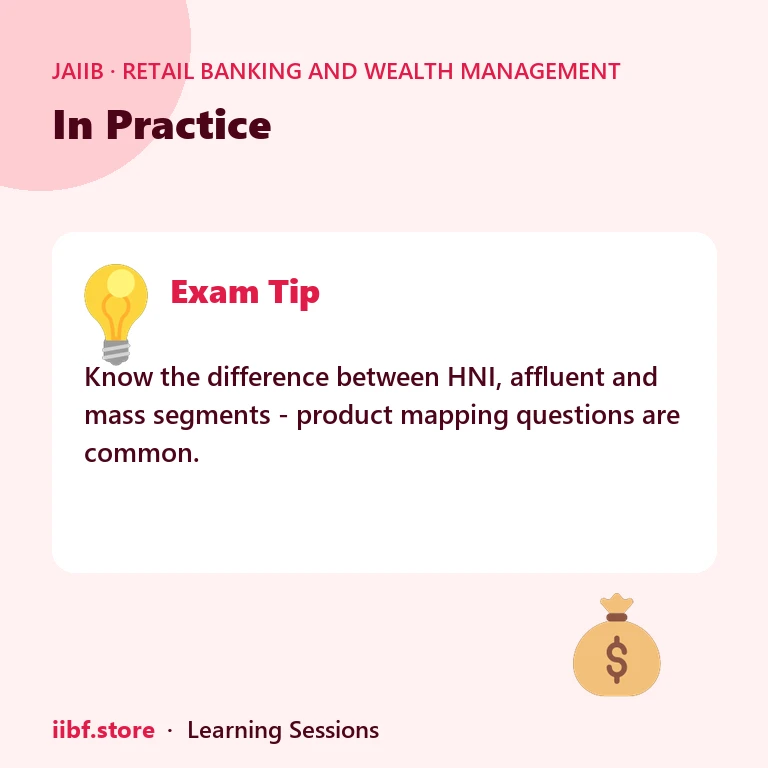
| Scheme | Tenure | Section 80C | Interest Taxable? | Typical Investor |
|---|---|---|---|---|
| PPF | 15 साल (5-साल के blocks में extendable) | ✅ हां | ❌ नहीं (EEE) | General long-term saver |
| SSY | 15 साल deposits, 21 साल पर maturity | ✅ हां | ❌ नहीं (EEE) | 10 साल से कम उम्र की girl child का parent |
| SCSS | 5 साल (3 साल तक extendable) | ✅ हां | ✅ हां (TDS applicable) | Senior citizen, retiree |
| NSC (VIII Issue) | 5 साल | ✅ हां (final-year interest को छोड़कर) | ✅ हां (final-year interest) | Salaried 80C planner |
| KVP | Doubling period, समय-समय पर notified | ❌ नहीं | ✅ हां | Rural/conservative depositor |
💰 Advisor के लिए Tax Treatment और Portfolio Fit
Wealth-management नजरिए से, tax treatment ही वह चीज है जो इन देखने में एक-जैसी लगने वाली government schemes को असल में अलग करती है। इस group में PPF और SSY अकेली दो ऐसी schemes हैं जो पूरा EEE shelter देती हैं, जिससे वे किसी भी risk-averse client की fixed-income allocation का natural core बन जाती हैं, बशर्ते लंबा lock-in goal से मेल खाता हो — PPF के लिए retirement, SSY के लिए बेटी की education या शादी। SCSS छोटे 5-साल के lock-in और quarterly payouts के बदले पूरी तरह taxable interest देती है, जो उन retirees के लिए उपयुक्त है जिन्हें tax efficiency से ज्यादा cash flow चाहिए।
NSC इन दोनों के बीच बैठती है: यह चार साल तक reinvested interest पर 80C deduction देती है लेकिन आखिरी साल के interest पर tax लगाती है, इसलिए यह उस client के लिए सबसे बेहतर है जिसने current year के लिए EEE options पहले ही खत्म कर लिए हैं लेकिन 80C में अभी headroom बचा है। KVP, जिसमें कोई tax benefit नहीं है, असल में एक capital-doubling tool है न कि tax-planning tool, और कोई advisor अगर इसे सिर्फ Section 80C के लिए recommend करता है तो वह एक avoidable गलती कर रहा है।
📌 Remember: Revision के लिए पांचों schemes को tax efficiency के हिसाब से rank करें — सबसे ऊपर PPF और SSY (EEE), बीच में NSC (partial deferral), और सबसे नीचे SCSS और KVP (पूरी तरह taxable interest)।
यह tax-versus-liquidity trade-off वही analytical lens है जो retail banking के bank operations में role में भी इस्तेमाल होती है, जहां branch customer suitability को product profitability के साथ balance करती है। यह अन्य JAIIB papers की cost-and-decision thinking से भी जुड़ता है — उदाहरण के लिए, marginal costing for bankers में पढ़ाया गया contribution-margin logic scheme-wise servicing cost की तुलना करने में उतना ही लागू होता है जितना accounting and finance में product-line decisions में।
🧠 Practice MCQs: भारत की Small Savings Schemes
Q1. कौन सी small savings scheme maturity के बाद account extension को ठीक 5-5 साल के blocks में allow करती है? (a) SCSS (b) KVP (c) PPF (d) NSC
Answer: (c) — PPF 15 साल बाद mature होती है और इसे 5-साल के blocks में, आगे deposits के साथ या बिना, extend किया जा सकता है।
Q2. Sukanya Samriddhi Yojana के तहत girl child के लिए account किस उम्र तक खोला जा सकता है? (a) 8 साल (b) 10 साल (c) 12 साल (d) 15 साल
Answer: (b) — SSY account girl child के 10 साल की होने से पहले खोला जाना चाहिए।
Q3. April 2023 से Senior Citizens Savings Scheme के तहत maximum deposit limit क्या है? (a) ₹15 lakh (b) ₹20 lakh (c) ₹25 lakh (d) ₹30 lakh
Answer: (d) — SCSS की deposit ceiling ₹15 lakh से बढ़ाकर April 2023 से ₹30 lakh कर दी गई।
Q4. National Savings Certificate (VIII Issue) के तहत, किस साल का interest बिना किसी आगे Section 80C deduction के पूरी तरह taxable होता है? (a) पहला साल (b) दूसरा साल (c) आखिरी साल (d) कोई साल taxable नहीं
Answer: (c) — आखिरी साल को छोड़कर हर साल का interest reinvested माना जाता है और 80C-eligible है; आखिरी साल का interest सीधे taxable है।
Q5. निम्नलिखित में से कौन सा small savings instrument Section 80C deduction के लिए qualify नहीं करता? (a) PPF (b) SSY (c) NSC (d) KVP
Answer: (d) — Kisan Vikas Patra को कोई Section 80C benefit नहीं मिलता; यह शुद्ध रूप से एक capital-doubling instrument है, और इसका interest पूरी तरह taxable है।
Chapter-wise mock tests चाहिए 100+ MCQs के साथ? मुफ्त practice शुरू करें →
❓ Frequently Asked Questions
क्या PPF का interest जिस साल accrue होता है उसमें taxable होता है?
नहीं। PPF को EEE status मिला है, इसलिए interest पूरी tenure में और maturity पर पूरी तरह tax से exempt रहता है।
क्या एक senior citizen SCSS में invest कर के उसी साल NSC का 80C benefit भी claim कर सकता है?
हां, लेकिन सभी Section 80C instruments — SCSS, NSC, PPF, SSY, life insurance, ELSS और अन्य — का combined deduction प्रति financial year ₹1,50,000 पर capped है।
क्या Kisan Vikas Patra investment पर कोई tax deduction देता है?
नहीं। KVP Section 80C deduction के लिए qualify नहीं करता, और कमाया गया interest investor के हाथ में पूरी तरह taxable होता है।
अगर girl child की शादी 21-साल की maturity से पहले हो जाए तो SSY account का क्या होता है?
Account को उसके 18 साल की होने और शादी का proof देने पर बंद किया जा सकता है और proceeds निकाले जा सकते हैं, scheme की prescribed conditions के अधीन।
🎯 Exam Strategy और अगले कदम
JAIIB RBWM में small savings schemes के questions general awareness नहीं बल्कि precision reward करते हैं — examiners tenure, deposit ceilings, tax sections और EEE-बनाम-taxable के फर्क को अलग-अलग schemes में बदल-बदल कर टेस्ट करते हैं। Comparison table को तब तक revise करें जब तक पांच-scheme grid automatic न हो जाए, फिर अपने recall को retail banking introduction जैसे related chapters के साथ cross-check करें ताकि देख सकें ये products बड़े RBWM product suite में कैसे फिट होते हैं। Adjacent RBWM topics पर गहरी practice के लिए, retail banking में branch profitability, retail banking में CRM और wealth management में risk profiling देखें। Savings instruments और interest-rate notifications पर official position के लिए, Reserve Bank of India के public resources rbi.org.in पर देखें। ज्यादा RBWM chapters के लिए Retail Banking and Wealth Management tag hub browse करें, और जब तैयार हों तो इस chapter को exam day से पहले lock करने के लिए एक पूरा JAIIB course mock test attempt करें।
Prefer revising from a printed book?
Chapter-wise books with MCQs after every chapter — minimal pages, complete coverage, delivered anywhere in India. Every book has a free sample to read first.












Quick quiz on this topic
5 exam-style questions from our free test bank — check yourself before you move on.
Practice this topic
मुफ़्त मॉक टेस्ट दें, चैप्टर PDF डाउनलोड करें या वीडियो क्लास देखें — सब iibf.store पर मुफ़्त है।